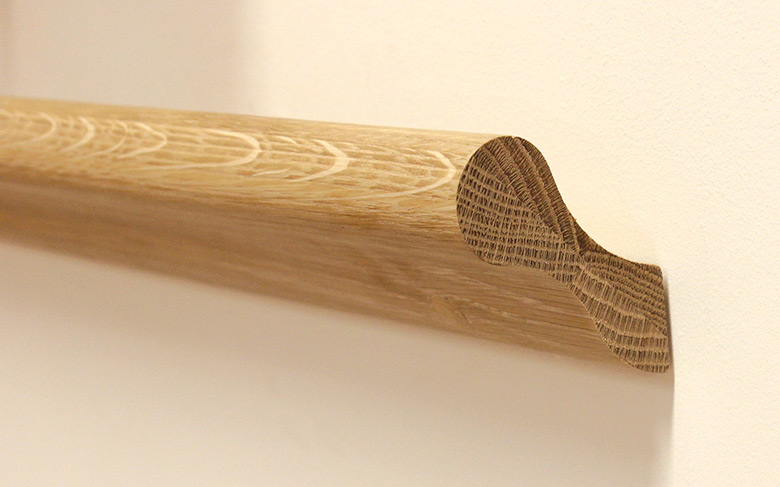
If you’re renovating your staircase, one of the most important choices you’ll need to make is the right handrail design. Pigs ear handrails are an extremely popular handrail option, but why do so many people choose this type of handrail?
Pigs ear handrails are popular due to their simple appearance, flexibility, and affordability. They can be constructed out of various types of wood and are available in a range of sizes and handrail options. One of their primary benefits is that they don’t require brackets to attach to them to the wall, unlike mopstick handrails.
Keep reading to learn more about the benefits of pigs ear handrails and the types of wood that are available for pigs ear designs. We also explore and discuss the crucial factors you should consider when choosing pigs ear handrails.
Click on a link to jump to that section:
- Why choose pigs ear handrails?
Read the key benefits of choosing a pigs ear handrail design. - What are the different woods for pigs ear handrails?
Read the different types of woods you can choose from for pigs ear handrails. - What to consider when choosing a pigs ear handrail?
Find out what factors you need to consider when choosing a pigs ear handrail. - Wall-mounted handrail designs
Find out more about the different types of wall-mounted handrail designs. - Frequently asked questions – choosing pigs ear handrails
We answer frequently asked questions on choosing pigs ear handrails.
Why choose pigs ear handrails?
Unlike mopstick handrails, pigs ear handrails don’t require handrail brackets and can conveniently be screwed directly onto the wall. This makes them ideal if you have a particularly narrow staircase.
These handrail designs are also available in a large range of woods, meaning that you can find the perfect design to harmonise with your decor and suit your preferences. Offering a different design to round mopstick handrails, they provide a unique option for your stairs and are extremely versatile to suit a range of styles.
What are the different woods for pigs ear handrails?
With wood styles to suit every taste, pigs ear handrails are available in pine, oak, ash, hemlock and dark hardwood. We go over the different wood options in more detail below.
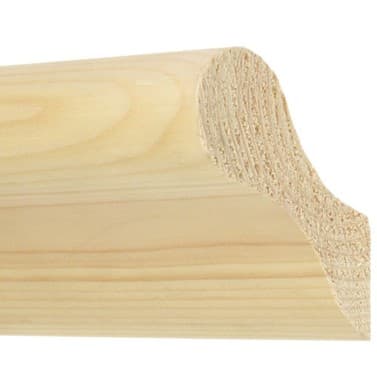
Pine is a softwood with a close grain that gives it exceptional strength. It is often light beige in colour but can also tend towards shades of yellow in some cases. Its straight grain is interlaced with attractive knots. Pine is an affordable and low-maintenance timber option that can be stained, painted, or varnished.
Recommended product
Pine Pigs Ear Molded Handrail 2400mm
- This handrail is a moulded piece of timber, that screws directly onto a wall. Screw holes can be filled in with pine cross-grain pellets.
- This handrail is ideal if you have a narrow staircase.
- Pine stair parts come unfinished. They can be finished by painting, varnishing or waxing.
- Handrail Size: 2400mm x 94mm x 34mm.
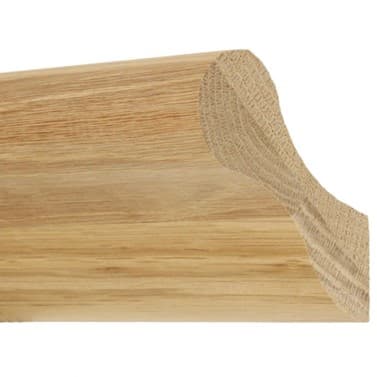
Oak is one of the strongest and most durable types of hardwood. It can range from light blonde colour tones to darker brown ones. Its attractive grain is extremely distinctive. Oak pigs ear handrails tend to be in the mid-price range and are very low maintenance.
Recommended product
Oak Pigs Ear Moulded Handrail 2400mm
- This handrail is a moulded piece of timber, that screws directly onto a wall. Screw holes can be filled in with oak cross-grain pellets.
- This handrail is ideal if you have a narrow staircase
- Oak stair parts come unfinished and can be finished by painting, varnishing or waxing.
- Handrail Size: 2400mm x 94mm x 34mm
- Please note this handrail is of an engineered construction.
Are you unsure whether to choose oak or pine? Read our guide to oak vs pine handrails.
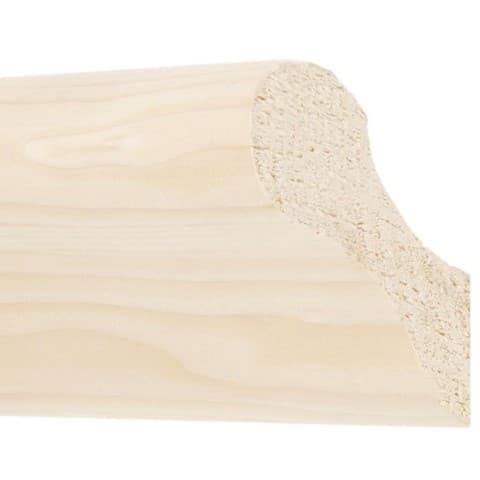
Ash is a very durable hardwood that has immense strength. Its colour can vary from light beige to darker shades of brown, with an obvious grain running through the wood. While it can be expensive, it has excellent longevity and can be polished or stained to achieve a bespoke finish.
Recommended product
Ash Pigs Ear Moulded Handrail 2400mm - MADE TO ORDER
- This handrail is a moulded piece of timber, that screws directly onto a wall. Screw holes can be filled in with ash cross-grain pellets.
- This handrail is ideal if you have a narrow staircase.
- Ash stair parts come unfinished. They can be finished by painting, varnishing or waxing.
- Handrail Size: 2400mm x 94mm x 34mm.
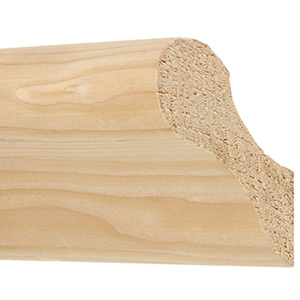
Hemlock is an extremely dense softwood that is a beautiful pale brown colour with a uniform grain and no knots. As a softwood, it is sometimes vulnerable to dents or scratches, but it is a very affordable wood option for a stair handrail.
Find out more about hemlock handrails in our guide Oak vs hemlock handrails.
Recommended product
Hemlock Pigs Ear Moulded Handrail 2400mm
- This handrail is a moulded piece of timber, that screws directly onto a wall. Screw holes can be filled in with hemlock cross-grain pellets.
- This handrail is ideal if you have a narrow staircase.
- Hemlock stair parts come unfinished. They can be finished by painting, varnishing or waxing.
- Handrail Size: 2400mm x 94mm x 34mm.
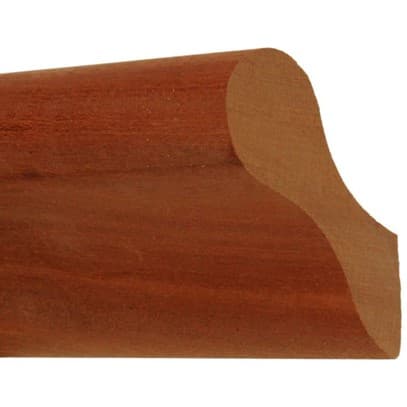
Dark hardwood is a sustainable alternative to mahogany and has a similar appearance. It is very durable and affordable. You can easily find matching newel posts for your staircase too.
Recommended product
Dark Hardwood Pigs Ear Moulded Handrail 2400mm
- This handrail is a moulded piece of timber, that screws directly onto a wall. Screw holes can be filled in with dark hardwood cross-grain pellets.
- This handrail is ideal if you have a narrow staircase.
- Dark Hardwood stair parts come unfinished. They can be finished by painting, varnishing or waxing.
- Handrail Size: 2400mm x 94mm x 34mm.
What to consider when choosing a pigs ear handrail
There are several factors to take into consideration when selecting the right pigs ear handrail for your home.
Identify the correct size of pigs ear handrail
Firstly, it is important to identify the correct handrail size that you need. It is important to measure your staircase correctly, so you know exactly which size you require. We recommend checking out our video guide for an in-depth tutorial on how to measure your staircase.
Choose the right wood for your pigs ear handrail
Choosing the right wood for your home is also extremely important because a wood handrail should provide the right amount of strength and durability and simultaneously complement the style and decor of your home. If your stairs often experience heavy-duty and frequent usage, choosing a harder and stronger wood is recommended. An oak pigs ear handrail is a stunning and practical choice.
Colour is also important too. Some woods, such as oak and dark hardwood, are well suited to a classic and traditional style home. Ash and pine can give a house a lighter and more modern aesthetic.
What are the other wall-mounted handrail designs?
If you’re looking for a wall-mounted handrail that’s not a pigs ear handrail, we recommend mopstick or metal handrails.
Mopstick handrails
Mopstick handrails can also be wall-mounted and are an attractive alternative to pigs ear handrails. Like pigs ear handrails, mopstick handrails come in a variety of designs and woods. Mopstick handrails tend to be slightly more expensive than pigs ear handrails, and you can also choose between a large range of decorative handrail brackets and end caps. If you are looking for something slightly more decorative than pigs ear handrails, mopstick handrails with attractive brackets are an excellent choice.
Read our guide to choosing mopstick handrails here.
Metal wall-mounted handrails
Metal wall-mounted designs are another option for wall-mounted handrails for your home. Traditionally, metal handrails have often been wall-mounted on one side and teamed with a glass balustrade on the other to achieve an ultra-modern aesthetic.
Caring for your pigs ear handrail
There are a variety of useful products to treat your handrail, including:
- Wood filler. This is perfect for filling any tiny imperfections on the surface of your wood handrail and is ready to be used immediately. Jackson Woodturners offers standard wood filler for pine, light oak, white wood and mahogany, as well as high-performance 2-part wood filler for pine and oak.
- String veneer. This can be used to instantly transform the appearance of your existing staircase veneer. Jackson Woodturners offers string veneer in oak, pine and walnut.
- Hardwax oil. This oil can be used to enhance the natural beauty of your wood. We offer Treatex hardwax oil in clear gloss, clear matt, clear satin, clear natural and soft satin.
Recommended product: Treatex Clear Hardwax Oil, Clear Matt 0.5L
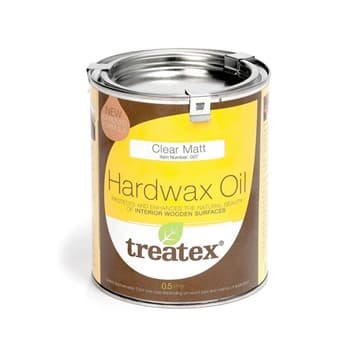
- Protect and enhance the natural beauty of wood with Treatex Hardwax Oil.
- Clear Hardwax Oil will protect and enhance wooden surfaces.
- One coat of Treatex Hardwax Oil Natural can be applied underneath Treatex Hardwax Oil Clear Matt.
- Provides a hard-wearing and attractive finish.
Pigs ear handrails from Jackson Woodturners
At Jackson Woodturners, we offer the largest selection of contemporary and traditional stair parts in the UK, including a wide range of high-quality pigs ear handrails.
We offer pigs ear handrails in a range of woods and matching cross-grain pellets at competitive prices. If you’re unsure if a pigs ear handrail is the right choice for your staircase, please get in touch with our expert team for some friendly advice. You can call our staircase experts on 0114 272 1228 or email [email protected]
Frequently asked questions
Should you choose a mopstick or pigs ear wall-mounted handrail?
If your staircase is very narrow, we recommend going for a pigs ear handrail. However, if your staircase is of average size and you are looking for a slightly more decorative option for your stairs, we recommend exploring our mopstick handrails and brackets.
How do you clean pigs ear handrails?
Start by wiping away any dust or grime. You can then use a damp cloth and very gentle detergent to wash down the handrail before allowing it to dry.
For more information on cleaning wooden handrails, we recommend looking at our guide, ‘How to clean a wooden handrail’.
How do you fit a pigs ear handrail?
A pigs ear handrail can easily be fitted as a DIY task by drilling holes in the wall and affixing the handrail to the wall. We have more information about how to install a pigs ear handrail in our blog, ‘How to fit a pig's ear handrail’.
What colour should pigs ear handrails be?
The colour of your handrail is a personal choice. Handrail colours tend to work best when they harmonise with the existing decor of your home. Black is a versatile colour for a painted handrail that is sure to add a dramatic touch to your space. White is another popular colour choice for handrails and works well with a white range of interior design schemes.
If you’re planning on painting a pigs ear handrail or another type of handrail, we recommend reading our guide, ‘How to paint a wooden handrail’.
How do you refinish a pigs ear handrail?
You can sand and prime a wood handrail before repainting, varnishing, or polishing the rail. We have a guide to handrail finishes with all the information you need if you’re thinking of refinishing a pigs ear handrail.
Should you paint or stain your pigs ear handrail?
The decision to paint or stain a new handrail is a personal one that will vary according to your individual preferences. Many types of wood can be painted or stained but some people prefer the natural appearance of the wood and simply polish the rail or use some Treatex hardwax oil to allow its natural beauty to shine through - the choice is yours!


