
"Staircase Tools" Frequently Asked Questions
Staircase tools are specialised instruments and equipment designed specifically for tasks related to the construction, renovation, or repair of staircases.
Staircase projects often involve unique challenges and requirements, such as precise measurements, intricate cuts, and safety considerations. Specialised tools are essential for achieving accurate results and ensuring the structural integrity and safety of the staircase.
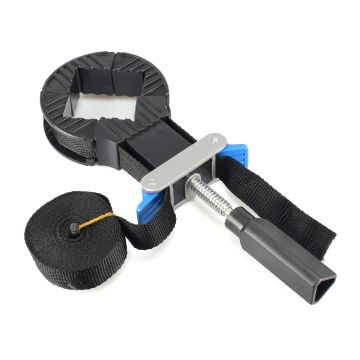
At Jackson Woodturners, we offer a wide range of staircase tools, including
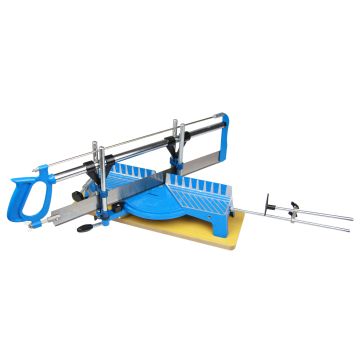
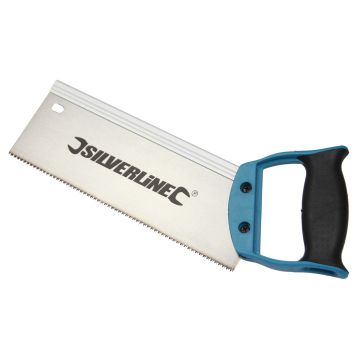
• Saws (Precision mitre, tension and hole saw)
• Adjustable bevels
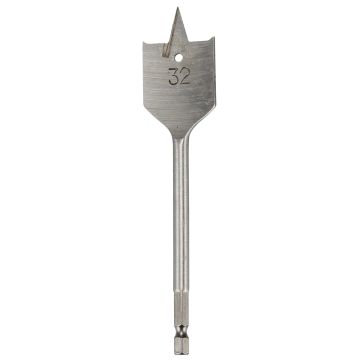
• Drills (hole cutter and zipbolt universal)
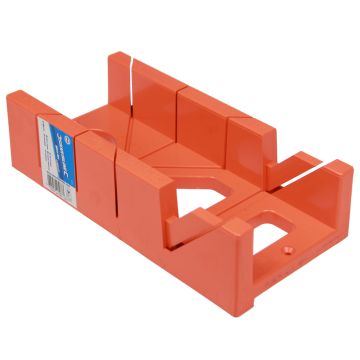
• Max mitre block
• Saws (Precision mitre, tension and hole saw)
• Adjustable bevels
• Drills (hole cutter and zipbolt universal)
• Max mitre block
The tools required for a specific staircase project may vary depending on the scope and complexity of the job. While basic hand tools like hammers and screwdrivers are often used, certain projects may necessitate specialised tools to ensure precision and efficiency.
Many staircase tools, such as saws, measuring tools, and fastening tools, are versatile and can be used for various woodworking tasks beyond staircase projects. However, some tools may be specifically designed for stair-related tasks and may not be suitable for other woodworking applications.
When using stair tools, it's essential to follow manufacturer instructions, wear appropriate safety gear (such as safety goggles and ear protection), and ensure a clean and well-lit work area. Additionally, proper training and technique are crucial for safe and effective tool usage.