
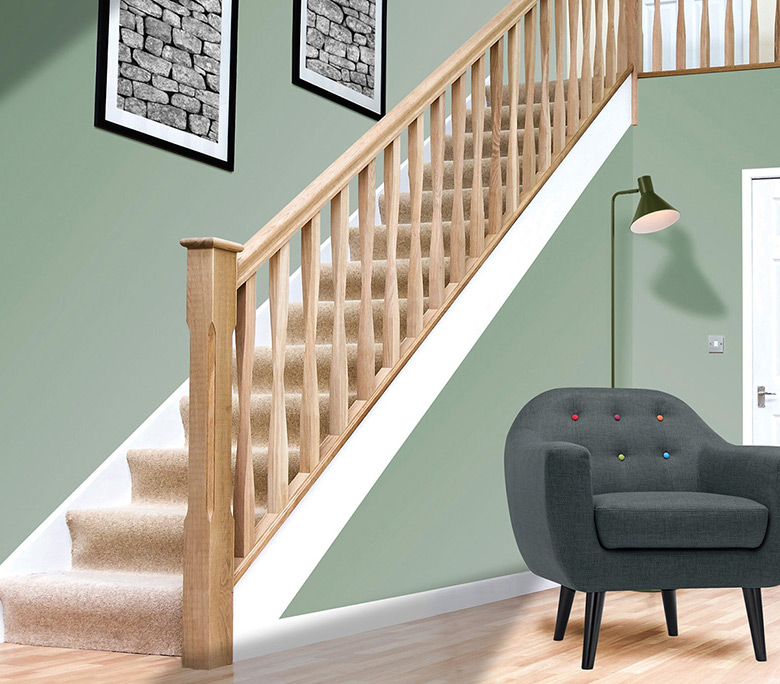
A bespoke oak staircase can add a touch of traditional character to your home with its pleasing aesthetics. From more simple designs such as wall-mounted mopstick handrails, to more traditional options such as cottage loaf designs – Jackson Woodturners offers a range of options for you to choose from.
While you may have chosen a perfect design for your stairs - to ensure your oak handrails stay in condition, it is vital you know how to effectively treat and clean oak.
Read on for our expert tips on treating and cleaning oak handrails.
Find out the benefits of choosing oak for your handrails.
Read the different ways you can treat oak handrails, including waxing, varnishing and oiling.
Find out what oak filler is and the key benefits using oak filler.
Read our guide to effectively cleaning oak handrails.
What are the benefits of using oak handrails?
Oak is an incredibly durable material, offering superior strength. This means that it can easily withstand the daily use that wood stair parts tend to undergo.
While it may be more expensive than other choices, oak has a unique classic appearance that can bring a touch of elegance to any home. With a wide choice of finishing options available, you can perfectly match a white oak handrail to the overall aesthetic of your home.
Read our full guide to the benefits of oak handrails here.
Opting for oak can also bring the following benefits:
- There is a range of styles and unique designs to choose from.
- Oak is an excellent choice for a long-term investment, providing you with peace of mind that your handrail will last a long time.
- Oak is a flexible option for most interiors, and can be a good fit no matter whether your home has a modern or traditional exterior.
Are you looking for the ideal oak handrail for you? Shop our full range here.
Treating oak handrails
Oak stair parts come unfinished and can be finished by painting, varnishing, oiling and waxing. Ensure you polish the wood as often as possible with a soft, non-abrasive cloth to keep the rich colour and shine looking perfect. You can often buff or very carefully sand out a superficial scratch or chip on hardwood. You should also always ensure you keep extra supplies of your chosen varnish or other finish to cover up the results of any area that has needed to be buffed or sanded.
Here are some tips on treating and enhancing the appearance of your oak handrails:
Oiling
Naked, untreated oak should be oiled immediately to prevent it from drying out. When choosing an oil finishing, be sure to choose something that’s formulated for use on natural wood, as this will contain all the necessary preservatives. For example – a thin coat of our Treatex Natural Hardwax Oil Ultra can be applied to unfinished timber, before sealing with Clear Treatex Hardwax Oil. It is important that only a thin coat of Treatex Hardwax Natural Oil is applied to oak.
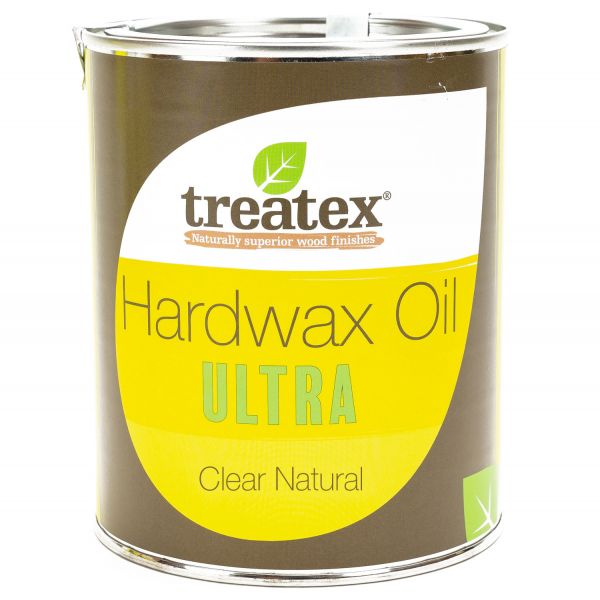
- Treatex Hardwax Oil Ultra Natural can be used as a base coat which is designed to neutralise the colour change caused by applying Treatex Hardwax Oil Clear.
- To change the appearance of light coloured timbers such as oak as little as possible, brush (not roller) on a thin coat of Treatex Hardwax Oil Natural on to unfinished timber, before sealing with clear Treatex Hardwax Oil.
- Treatex Hardwax Oil Natural should not be used as a base coat on darker coloured timbers.
- On light coloured timbers such as oak, two coats of Treatex Hardwax Oil Clear will warm the colour of the wood.
Shop Treatex Oil Ultra Natural
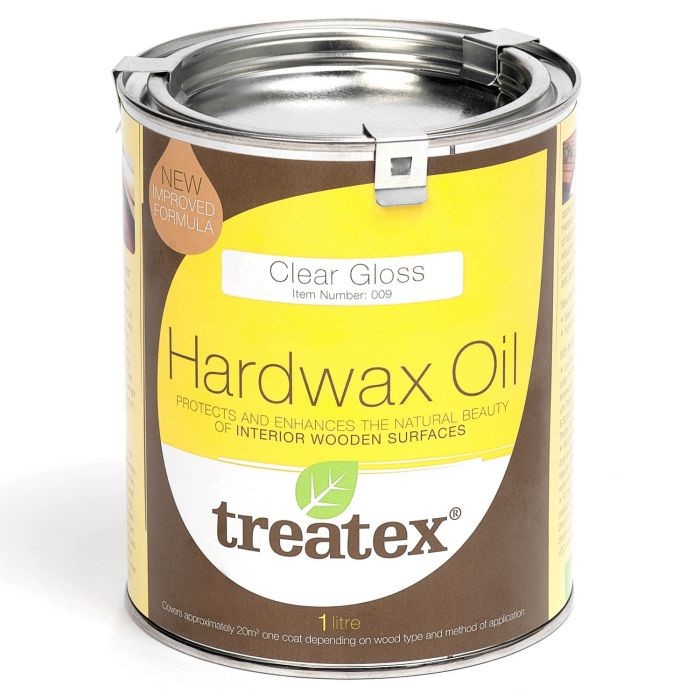
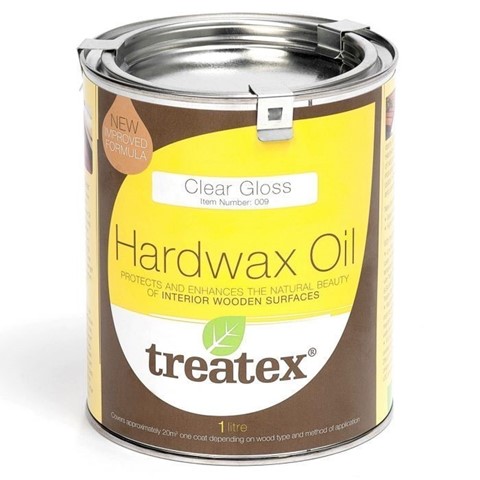
- Just two coats of our Clear Hardwax Oil will protect and enhance wooden surfaces
- Provides a hard-wearing and attractive finish
- Quick-drying and easy to maintain.
Buy the Treatex Hardwax Clear Gloss Oil now.
The easiest way to apply the oil is with a small paintbrush; ensure you cover the entire handrail evenly. Allow the first coat of oil to soak in thoroughly, and then apply another layer, as advised in our Treatex product range.
The oil should help to keep the staircase looking new for a long time, preventing it from being worn down as quickly.
Wax
Once you’ve applied oil to an oak handrail, you also have the option of applying wax to oak – which is a natural-looking finish that protects wood from dirt, oil and moisture quite well. Wax binds to the oak, creating a hard-wearing, natural finish that doesn’t chip. It may feel smooth, and it may look slightly shiny depending on the type of wax finish used.
Treatex oils can offer a convenient combination of waxes and oils - containing a formulation of sustainable raw materials such as bees wax, carnauba wax, candilla wax, linseed oil, sunflower oil, Jojoba oil. Find out more here.
Varnish
Varnishing is another option for treating your oak handrail, and you can choose either a clear varnish or something that has a colour tint if you prefer. These finishes protect the wood from moisture, dirt and oil but they can be less hard-wearing, however, they may look less natural as they form a hard coating on top of the wood. Varnished handrails may also have an ultra-shiny appearance, which may not be desirable to everyone. In addition to the shine, this finish may conceal some of the texture of the wood to give a slippery-smooth feel. Whether you’d prefer to varnish your oak depends on the aesthetic you prefer – if you’d rather have a natural finish, applying oil or wax may be ideal.
What is oak filler?
Oak wood filler is ideal for filling small imperfections in wood. For example – it can cover holes, dents, chips and deep grains in wood, disguising them and smoothing the surface. You can use wood filler on stairs to make them more aesthetically appealing and comfortable to walk on.
Light Oak Wood Filler 250ml
- Delivery Available
- Fast drying and ready mixed for immediate use. This wood filler is waterproof so can be used on both internal and external wood.
- Once dry the filler can be stained, painted or varnished.
- Prior to use ensure that surfaces are clean, dry and free from dust. Stir well and apply with a spreader or knife.
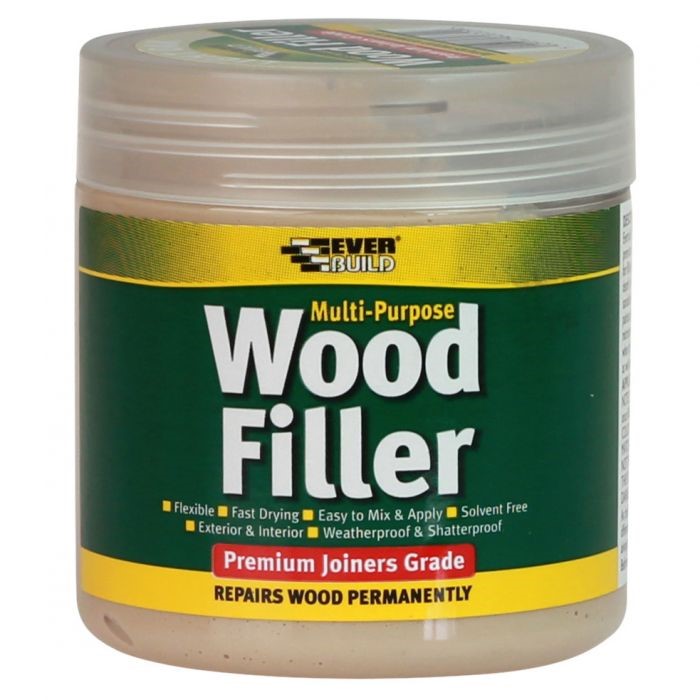
You can view our range of staircase finishings and fillings here.
Cross-grain pellets
Cross-grain pellets are used in many forms of joinery and are primarily designed to hide screws or bolt heads. They also help finish off the joined timber to a smooth, uninterrupted surface, concealing the joint.
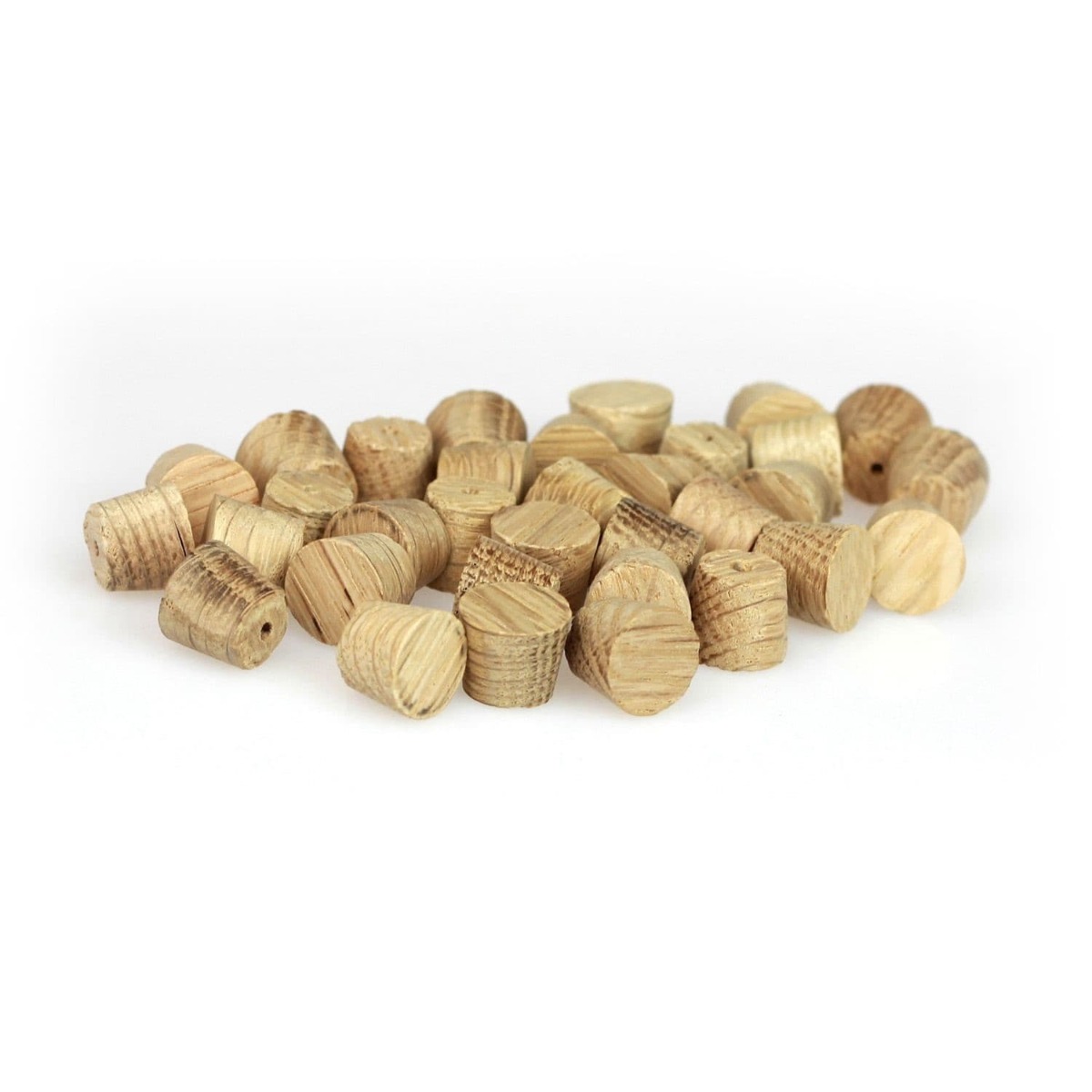
Shop the Oak Cross-Grain Pellets - 10 pack.
Cleaning oak handrails
Although oak handrails are fairly easy to clean, you should bear in mind what finish has been used first. For example, you can clean waxed oak with warm, soapy water and a microfibre cloth - do not scrub wax finishes as they can wear away over time. If your handrail has a wax finish, then you could apply another coat of wax after cleaning it to give it a lovely shine.
You can clean varnished oak with wood cleaners or a mixture of oil and vinegar (one cup of good-quality oil mixed with a tablespoon of white vinegar; this can kill bacteria while keeping the wood healthy).
If your handrail has an oil finish, you can clean your oak handrail with either oil-based soaps or a mixture of oil and vinegar, as described above. With any cleaning method; you should be careful not to be harsh or too rough when cleaning oak.
To find out more about handrail care, visit the page Your Guide to Handrails.
If you want to install a oak handrail and are unsure about what height it should be, read our guide to handrail height building regulations here.
Frequently asked questions
What is the best paint for oak stairs?
When it comes to oak stairs, it is important to use a primer which you can then paint over with semi-gloss paint. This tends to be harder wearing than other paints.
What colour should your handrail be?
Your handrail should fit in with the overall aesthetic of your home. It is generally a good idea to go with a neutral colour such as white or appreciate wood’s natural appearance, but you can also add a pop of vibrancy to make your handrail a feature.
Can you paint over stained wood without sanding?
While it is possible to paint over stained wood without sanding, the stain may bleed through and cause streaking.
How do you paint an oak handrail white?
It is possible to paint an oak handrail white, but sanding and preparing the wood is an essential part of this process. You will need to take extra care to make sure this is done to a high standard, to ensure that no colour comes through in the finished result.
How do you refinish an oak handrail?
To refinish a wood handrail, you will need to strip the wood before preparing and priming it. Then you can stain and finish the wood to your own aesthetic tastes.
Should you paint or stain your oak handrail?
Paint is a great way to freshen a handrail or balustrade, but staining tends to last for longer and be more resilient over time.
Related content
A bespoke oak staircase can add a touch of traditional character to your home, with a natural finish and pleasing aesthetics. From simple designs like wall-mounted mopstick handrails, to more traditional options like our cottage leaf designs, Jackson Woodturners offers a range of oak options for you to choose from. After picking the perfect design for your stairs, it’s important to make sure your handrails stay in tip-top condition. So, how do you effectively treat and clean oak handrails?
You can use oil, wax, or varnish to treat your oak handrail. It’s important to pick the right option for your lifestyle, with wax maintaining a natural finish but being less hard-wearing, and varnish offering ultimate protection but adding an unnatural shine. When cleaning, you need to make sure that you aren’t too rough or your cleaning materials aren’t too harsh, or you risk wearing away the protective feature of your finishings.
Read on to find out more about our expert tips for both cleaning and treating your handrails, making sure they stay in the best condition for as long as possible.
What are the benefits of using oak handrails?
Offering superior strength compared to a number of other options, oak is an incredibly durable material. It can easily withstand the daily use that wood stair parts often undergo.
Whilst it may be more expensive than other choices, oak has a unique classic appearance that brings a touch of elegance to any home. With a wide choice of finishing options available, you can match your handrails perfectly to the overall aesthetic of your home. Oak stair parts are the perfect long-term investment, suiting both traditional and modern home exteriors.
Read more about the benefits of choosing oak handrails in our helpful blog here, or shop our full range below.
How to treat oak handrails
Here at Jackson Woodturners, our oak stair parts will arrive to you unfinished, giving you the freedom to treat them with paint, varnish, oil, or wax. Polish the wood as often as possible with a soft, non-abrasive cloth to keep its colour rich and shine perfect. If you find any superficial scratches or chips, you can buff or carefully sand them out, but be sure to keep some extra supplies of your chosen finish to cover up these areas afterwards.
Below, we’ve gone into more detail about the options you have for finishing your oak handrails, making sure they look as good as possible.
Oiling
Naked, untreated oak should be oiled as soon as possible to prevent it from drying out. When choosing an oil finish, it’s important that you pick something that is formulated for use on natural wood, as it will contain all of the necessary preservatives.
For example, use a thin coat of our Treatex Natural Hardwax Oil Ultra on unfinished timber before sealing with Clear Treatex Hardwax Oil.
Treatex Hardwax Oil Ultra - Natural
- Should be used as a base coat to neutralise the colour change caused by applying Treatex Hardwax Oil Clear.
- Keep the colour change of light-coloured timber to a minimum by applying a thin coat with a brush, not a roller, before dealing with Treatex Hardwax Oil Clear.
- Treatex Hardwax Oil Natural should not be used as a base coat on dark-coloured timbers.
Waxing
Once you’ve applied oil to an oak handrail, you also have the option of applying wax - this is a natural-looking finish that protects your wood from dirt, oil, and moisture. Wax binds to the oak, creating a hard-wearing, natural finish that doesn’t chip. Depending on the type of wax finish used, your oak handrail may feel smooth and look slightly shiny.
Our Treatex range offers a number of waxes with formulations of sustainable materials such as beeswax, carnauba wax, and candelilla wax.
Varnishing
Varnishing is another option for finishing your oak handrail, with both clear and colour tint options. These finishes protect the wood from moisture, dirt, and oil, but can be less hard-wearing. Varnish may also look less natural, as it forms a hard coating on top of the wood. It will also give an ultra-shiny appearance and slippery-smooth feel that conceals the texture of the wood, which may not be desirable in every space.
If you’d prefer a more natural finish to your oak handrail, oil or wax may be more ideal finishes.
What is oak filler?
Oak wood filler is ideal for filling small imperfections in wood. For example, you can use it to cover holes, dents, chips, and deep grain in wood - disguising them and smoothing the surface. Wood filler helps to make your stairs more aesthetically pleasing and comfortable to walk on.
Some of our favourite products include:
Light Oak Wood Filler 250ml
- Delivery available.
- Fast drying and ready mixed for immediate use.
- Waterproof for use on both internal and external wood surfaces.
- Can be stained, painted, or varnished once dry.
- Ensure surfaces are clean, dry, and free from dust prior to use.
- Stir well and apply with a spreader or knife.
Cross-Grain Pellets
- Used in many forms of joinery.
- Primarily designed to hide screws or bolt heads.
- Helps to finish off joined timber with a smooth, uninterrupted surface.
View Jackson Woodturners’ full range of staircase finishing and fillings here.
Cleaning your oak handrails
Although oak handrails are fairly easy to clean, it’s important to keep in mind which finish you have used.
Oil Finishes: Use either oil-based soap, or a mixture of oil and vinegar - one cup of good-quality oil and a tablespoon of white vinegar will kill bacteria and keep the wood healthy.
Wax Finishes: Use warm, soapy water and a microfibre cloth. Do not scrub wax finishes, as they can wear away over time.
Varnishes: Use wood cleaners or a mixture of oil and vinegar as described above.
With any cleaning method, you should take care to not be too harsh or rough when cleaning your oak handrails.
Want to find out more about handrails, their care, and other useful information? Read our helpful blog “Your Guide To Handrails - Types, Materials, Accessories, And Height Guide”
FAQs
What is the best paint for oak handrails?
When it comes to any oak stair part, it’s important to use a primer before painting. We recommend semi-gloss paint, as it tends to be harder-wearing than other paints.
What colour should my oak handrail be?
Your handrail should fit in with the overall aesthetic of your home. Sticking with the natural finish, or choosing another neutral like white, is generally a good idea, but you could also add a pop of colour to make your handrail a vibrant feature.
Can I paint over stained wood without sanding?
Whilst it is possible to paint over stained wood without sanding, the stain may bleed through and cause streaking.
How do I paint an oak handrail white?
Sanding and preparing the wood is essential for painting an oak handrail any colour. You’ll need to take extra care to do this to a high standard, helping to ensure no colour comes through once you're finished.
How do I refinish an oak handrail?
To refinish an oak handrail, you’ll need to strip the wood of its previous finish before preparing it and priming it. Then, you can stain and finish the wood to your own aesthetic tastes.
Should I paint or stain my oak handrail?
Paint is a great way to freshen up a handrail or balustrade, but staining tends to last longer and be more resilient over time.


