
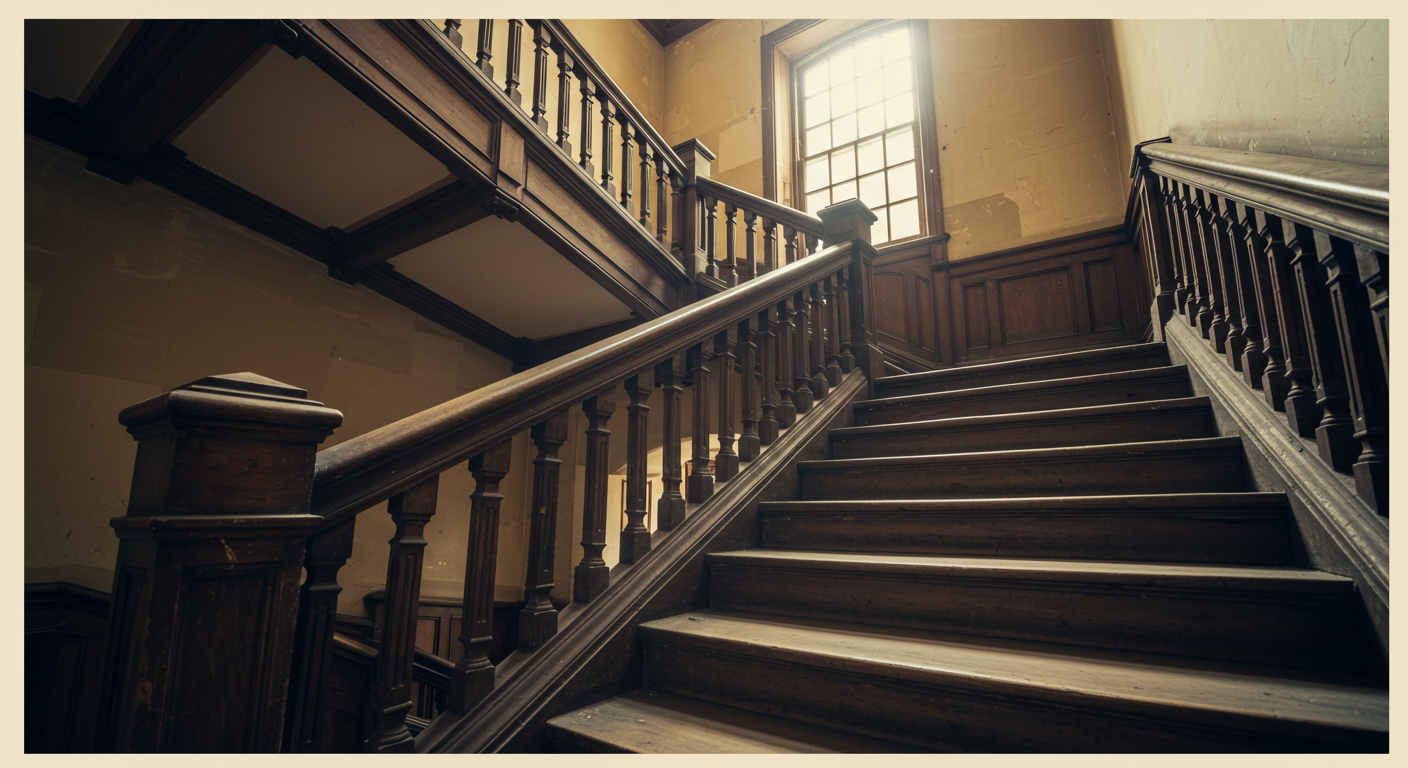
When taking on a domestic renovation project, one of the biggest decisions you’ll have to make is whether you want to restore the existing features or rip them out and replace them with new, larger structures. In this article, Jackson Woodturners draws on expert advice to determine the best ways to renovate a run down staircase. Mark Finney of Finney’s Wood Finishes and Scott Else of Scott Else WoodWorks share their professional insight. So, how do you renovate a run down staircase?
In our opinion, the best ways to renovate a run down staircase include:
- Planning - The first step is to come up with a solid plan that will guide all of your efforts.
- Risers and steps - Give your steps and risers the love they deserve by swapping them out for fresh wooden pieces.
- Sand down your base & repaint - Once all of the components are stripped away, you’ll be left with a base staircase that can either be retouched or fully stripped back and repainted.
- Install all of the other components - After you’ve repainted the base and brought it back to perfect shape, all you have to do is install the other components that you took off to refurbish or replace.
No matter how daunting it may sound to renovate your home’s staircase, the process is actually relatively straightforward if you approach it with determination. Follow these top tips from woodworking experts to find out more!
Do my stairs need replacing or restoring?
According to Scott Else, the best way to determine whether it's worth restoring a run-down staircase is to look for original mouldings, the shape of spindles and newel posts. Remember to look for any signs of damage either through wear or rotting. If everything looks good, then it would be worth restoring.
We asked experts, Mark and Scott, some of the most common stair renovation questions. Here’s what they had to say:
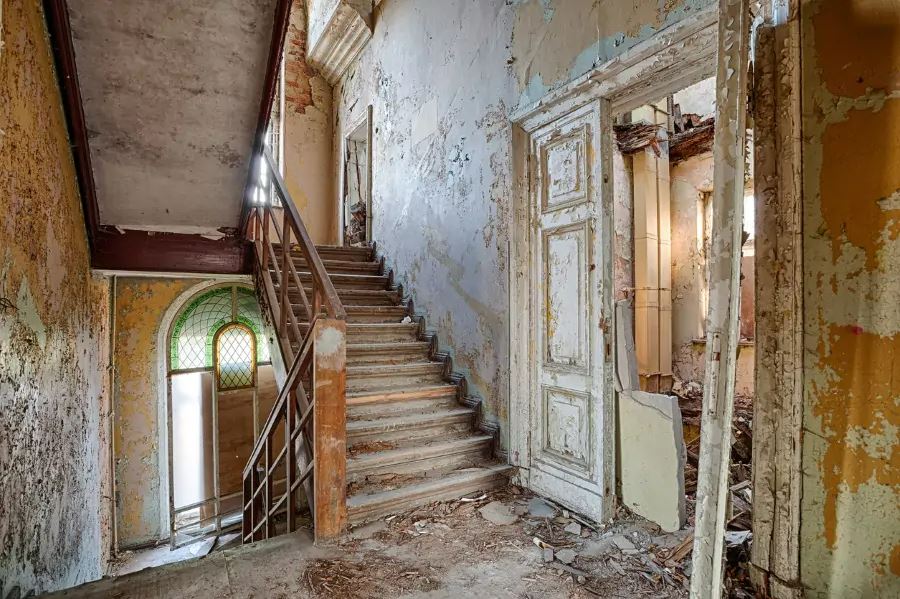
How long would it take to strip a balustrade painted with numerous thick coats of gloss back to the original wood?
Mark: It takes time and patience to strip away old paint and varnish, especially from fiddly spindles and newels. More powerful paint removers are available but these are restricted to professionals and so generally DIYer's have to make do with more standard formulas. Some paints can be removed easily, but others may be very stubborn requiring multiple treatments. Professional fitters and finishers will use the stronger mixes of course, but even so, getting into very tight corners and recesses can take time – and time costs money.
Scott: It would take a very long time and I wouldn't recommend any DIYer to take it on. In terms of using an experienced tradesperson, the time scale will be determined by how big the staircase is and what type of balustrade it has, i.e. spindles or panels.
How to remove paint from a wood bannister
Follow this step-by-step guide to remove paint from your wooden bannister:
- Place drop cloths on the floor under the bannister.
- Paint a paste or gel paint stripper onto the bannister with a brush. Apply it in a thin, even layer and try not to brush the same area more than once.
- Let the stripper sit on the bannister for the time directed on the container. The paint will begin to bubble up as the stripper loosens it from the wood.
- Scrape the stripper and the old paint away from the wood with a putty knife. Once you’ve scraped away all of the paint , wipe the bannister down with a solvent as directed on the stripper container using a rag. This could be mineral spirits or water.
- Use 120-grit sandpaper to sand away any paint that the stripper did not remove. Wipe the bannister with tack cloth once you are done.
What are the benefits of removing the spindles and getting them dipped to remove the paint, as opposed to manually stripping them?
Whilst chemical stripping is a much faster process than hand stripping, there are several drawbacks. Here’s what the experts had to say:
Mark: Dip and strip processes can dimensionally affect timber and can also cause splitting. Valuable spindles, especially oak, should never be stripped using the dipping method. There is also the colour difference to consider. Unless other component parts are stripped in a similar fashion, there will be a noticeable difference between the spindles and, say, a hand rail or newel. This will be apparent if a clear or translucent finish is to be applied later.
Scott: Dipping the spindles would be the quicker option although you would need to take care not to damage them in their removal.
What tools/products would you recommend to create a professional DIY restoration job?
According to professionals, Mark and Scott, the tools you’ll need to carry out a DIY staircase restoration project include:
- Paint removers/abrasives - to prepare the job initially
- Wood stains - to colour the wood (these must be compatible with the top coat
- Hard wax oils - produce a clear finish and are easy to use on most woods to create a natural sheen
- Microporous hard wax oil - used where a silky, waxed feel is required
- 400 grit paper
- Wax polish
- Pad of 0000 wire wool
- Chop saw - to make cuts (many of which will be angled)
- Hammer
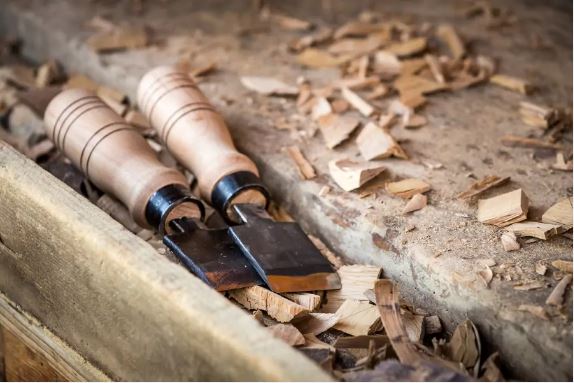
- Chisels
- Glue
- Sand paper
- Electric drill
- Level
- Sliding bevel - to transfer the angles to your chop saw
What problems are you likely to face when undertaking a DIY restoration job?
Mark: When it comes to renovating a run-down staircase, the temptation to rush is the biggest enemy, as failure to carry out correct preparation will result in an unsatisfactory end result. Some woods do not take stains well, and failure to understand this may also result in some DIYer's attempting to achieve the impossible. Correct choice of finish is essential. Over (or under) application of a product is also a common error. Generally, thin coats are recommended. All liquid products should be well stirred. Finishes must also be de-nibbed (cut back) with very fine abrasive paper between coats.
Scott: Some parts of a staircase are integral to the construction i.e. the bottom of the newels where the tread and riser meet it. I would strongly suggest not cutting into these if you are a DIYer. Other problems would be taking precise copies of the angles, making sure all is plumb and level and sticking to up-to-date regulations, which you can find on the Internet.
Once you have removed the paint from your balustrades, what would you recommend to treat the wood to enhance its original finish?
As stated by Mark,
‘Wooden bannisters can be finished in all manner of ways. Penetrating wax polishes and traditional oils are easy to use and look natural but they don’t offer much protection. Varnishes are a tougher option but, depending on the type, can look artificial, especially when incorrectly applied or not of good enough quality.’
One compromise is to use semi-penetrating hard wax oils, although they too, vary in quality, sheen and appearance. Painting is also another common solution, but remember that this type of surface coating may chip or flake. If this is likely to be a problem, and you would still like a painted look, try applying an emulsion or chalk paint and then finish off with a lower colour change clear finish such as acrylic varnish in either a matt or satin. This can also be waxed using clear finishing wax for a smoother, more natural looking appearance.
Alternatively, Scott argues that oils are the best way to see wood in all of its natural beauty. You just need to make sure that all of the original paint is removed out of those hard to reach areas. However, if the staircase and balustrade are made of different types of wood and have damaged areas that have been filled over the years, then painting is probably the best option.
At Jackson Woodturners, we offer a range of stair products to help you prepare your stairs before painting, such as our quality wood filler.
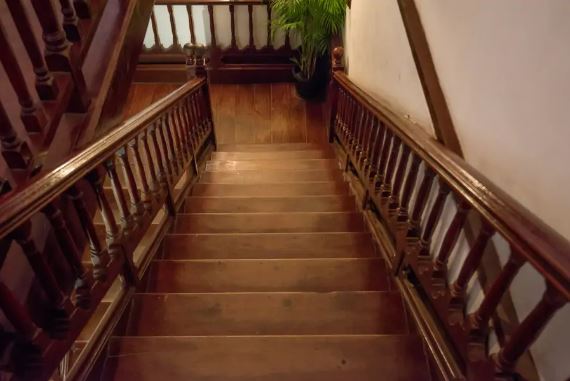
Can you share any tips on replacing or restoring skirting boards on a staircase?
Scott’s top tip is to restore the original skirting if at all possible. If however, this is not an option, save the original removed skirting so you can replicate any angles that you come across. If you are lucky, you can copy the pieces exactly when renovating your staircase.
Any top tips for removing panelling?
If you are planning to keep and re-use the panelling, then you’ll need to use a chisel and hammer to carefully prise the separate components away from one another. On the other hand, if you’re not going to re-use it, then you can saw it out and use the hammer and chisel for the more awkward bits.
When encountering problems when undertaking a DIY project, at what point do you call in the professionals to ensure the safety of a job?
Whilst you are carrying out a stair renovation project, it's always a good idea to call in professionals if:
- You feel out of your depth or have damaged the wood by sanding incorrectly
- You’ve used materials incorrectly, in particular, wood stains
- The structural strength is compromised (for example, broken or rotten treads, risers or strings)
If you encounter any of these, it's best to stop what you are doing. Any remedial work required will become much more expensive to do the more there is to put right, in some cases, it cannot ever be satisfactorily rectified.
For more advice about renovating your staircase, including replacing old spindles with new ones or replicating original spindles and stair parts with our woodturning service, get in touch with us at Jackson Woodturners.
About the experts
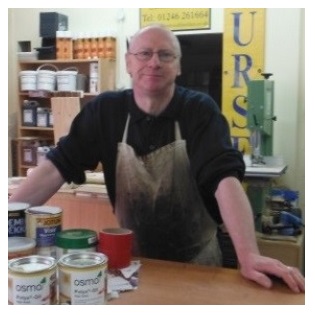
Mark Finney — Mark is a Derbyshire-based furniture maker who has become internationally recognised as a result of his woodworking expertise and his writing contributions to major national titles. He is also the author of Stanley Book of Woodwork. Mark specialises in creating and finding new finishes, and his ‘how-to’ advice has built him a large following from both trade and DIY customers.

Scott Else — With over 20 years’ experience in the carpentry trade, Scott Else WoodWorks was established in 2000. Renowned for his high quality bespoke cabinet making and purpose-made joinery, on both commercial and domestic projects, Scott is a leading name in the woodworking trade across Sheffield and the UK.
Renovate your staircase with Jackson Woodturners
At Jackson Woodturners, we offer the largest range of traditional and contemporary stair parts in the UK. With our team of stair experts on hand, we can advise and help you plan and renovate your stairs, giving them a new lease of life.
With trade prices available to all, we can help you build your staircase project efficiently and affordably. Our price promise guarantees that we’ll beat any like-for-like quote.
Get in touch with us today for more information about your up-and-coming stair renovation project.


