
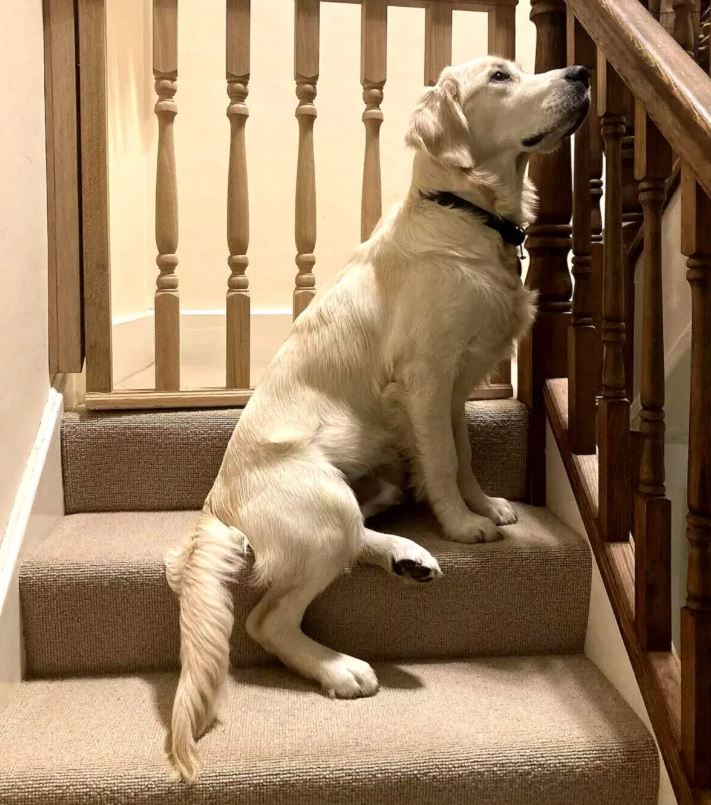
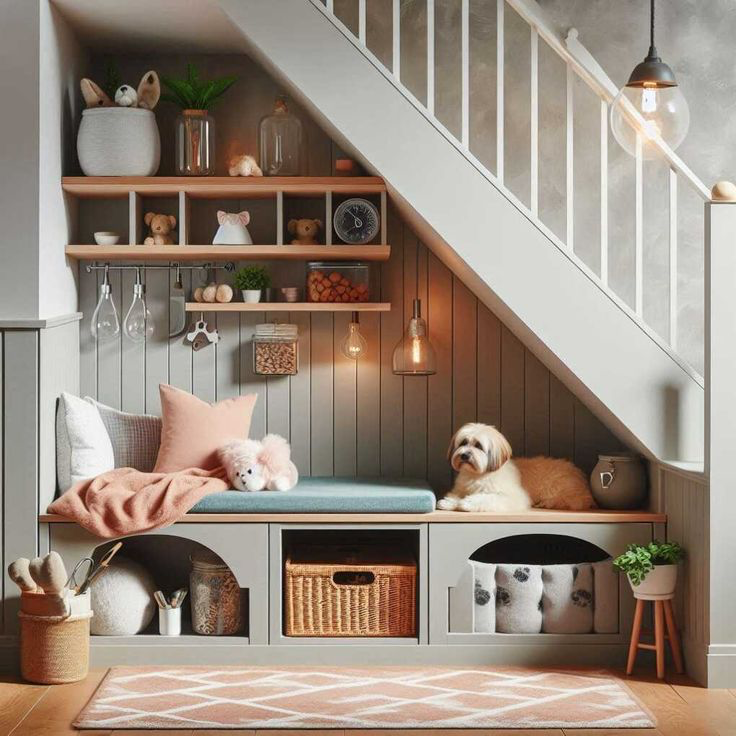
(Photo by Home Decor Full)
Here in the UK, dogs have always been at the heart of the family home and an increasing number of homeowners are factoring their furry friends into their renovations. With an estimated 13.5 million pet dogs in the UK(1) and rising pet-focused home investments, designing with dogs in mind is more popular than ever.
In fact, one study revealed that nearly half of UK pets have a dedicated room in the home and owners spend on average £286 annually furnishing and decorating specifically for their pets(2).
To support decorators, we’ve teamed up with a range of experts, who have shared 15 must-know tips for dog-friendly hallway renovations.
Meet the Experts:
- Catherine Wilman – Interior Designer, Catherine Wilman Interiors
- Victoria Cooper – Certified Dog Behaviourist, Victoria-Cooper.co.uk
- Lucie Levesley – Director, Jackson Woodturners
- Adam Taylor – Owner and Joiner, Crafted Gates UK
- Georgina Shepherd – Cleaning Expert, Housekeep
Catherine Wilman, interior designer at Catherine Wilman Interiors commented,
“We’re getting more and more requests to incorporate dedicated spaces for dogs within our interiors, particularly in hallways. Pets are such a huge part of the family, and people want practical solutions that integrate seamlessly into their homes.”
Victoria Cooper, certified dog behaviourist at Victoria-Cooper.co.uk adds,
“A well-designed home that takes a dog’s physical and emotional needs into account can reduce a lot of problematic behaviour and stress for the dog. By managing environmental stressors and offering a secure resting space, owners can ensure their dogs feel safe, confident, and relaxed at home.”
From staircase considerations to durable flooring and smart storage solutions, our expert panel offers practical advice to help you create a pet-friendly room.
Safety Considerations
1. Address Slippery Floors to Protect Joints & Confidence
Modern flooring like hardwood, laminate, and tiles may look sleek, but they can be hazardous for dogs - especially puppies and senior dogs with weaker joints.
Canine behaviourist Victoria comments,
“Slipping can lead to knee injuries, hip strain, and a general loss of confidence. I’ve met many dogs that are scared to walk on slippery floors and this can impact them crossing a floor, such as a kitchen to go outside to the toilet.”
As a simple fix, Victoria recommends,
“Use non-slip rugs or runners in high-traffic areas and near food and water stations. This provides stability and gives dogs clear pathways where they feel secure walking.”
2. Follow Best Practice Staircase Specifications
Whilst there are no pet-specific rules for staircases, common best practice designed to protect children within can be applied to ensure your dog’s safety.
Stair parts and home interiors expert Lucie Levesley suggests,
“Staircases can be dangerous for small creatures if the proper guidance isn’t followed. For children’s safety, the gaps between spindles must not exceed 100mm and this too can be applied for the safety of dogs to prevent accidents. You may even decide to make the gap less than 100mm if you have a particularly small pooch.”
3. Install Pet Gates for Staircase Safety
Bespoke pet gates are becoming a must-have for modern homes, offering a blend of safety, function, and style. In fact, “dog gate” is searched for on Google around 5,400 times per month. Adam Taylor, owner and joiner of Crafted Gates UK, highlights their key benefits:
Safety First: “Staircases can pose a risk to pets, particularly older or disabled dogs who may have mobility issues - a well-designed gate can help prevent falls.”
Better Zoning: “Hallways are transitional spaces and so installing a pet gate can help manage movement, keeping certain areas off-limits as required.”
Cohesive Design: “Instead of a basic metal gate, opt for a bespoke, handcrafted design that blends seamlessly with your staircase and interior.”
Key considerations:
- Precision Matters - Take accurate measurements and share photos with your craftsperson for the best fit, tailored advice and solutions.
- Personalised Touches - Match the gate’s paint colours and parts with your existing room décor for a seamless look. Crafted Gates UK use Jackson Woodturners stair parts to ensure a perfect match.
- Practical Features - Choose rounded edges, self-closing hinges, and smooth finishes for added safety. Also, remember to double-check the direction of the gate’s opening.
- Tailored Spacing - Prevent squeezing through with 60-85mm spindle gaps, or opt for a custom solution. Multi-pet homes might consider a gate with an integrated cat flap.
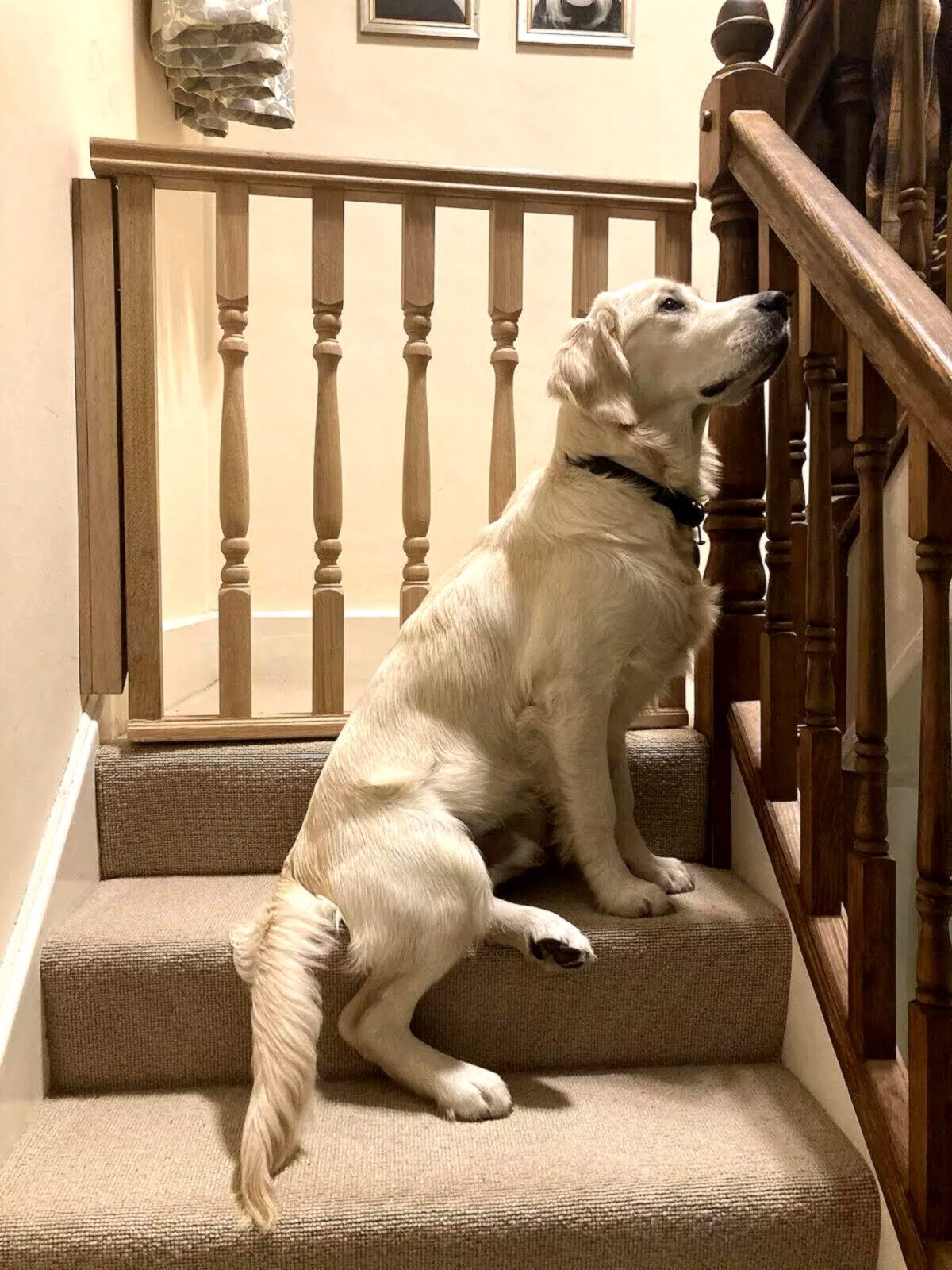
(Photo by Crafted Gates UK)
Hygiene, Odour Control & Maintenance
4. Make the Right Flooring Choices
Carpets tend to trap pet hair, odours, and dirt, making them difficult to clean. Opting for wooden or laminate flooring will be less likely to harbour fleas or bacteria, however, as Victoria has already mentioned earlier in this guide, this kind of flooring can be problematic for some dogs.
Georgina Shepherd, Cleaning Expert at Housekeep adds,
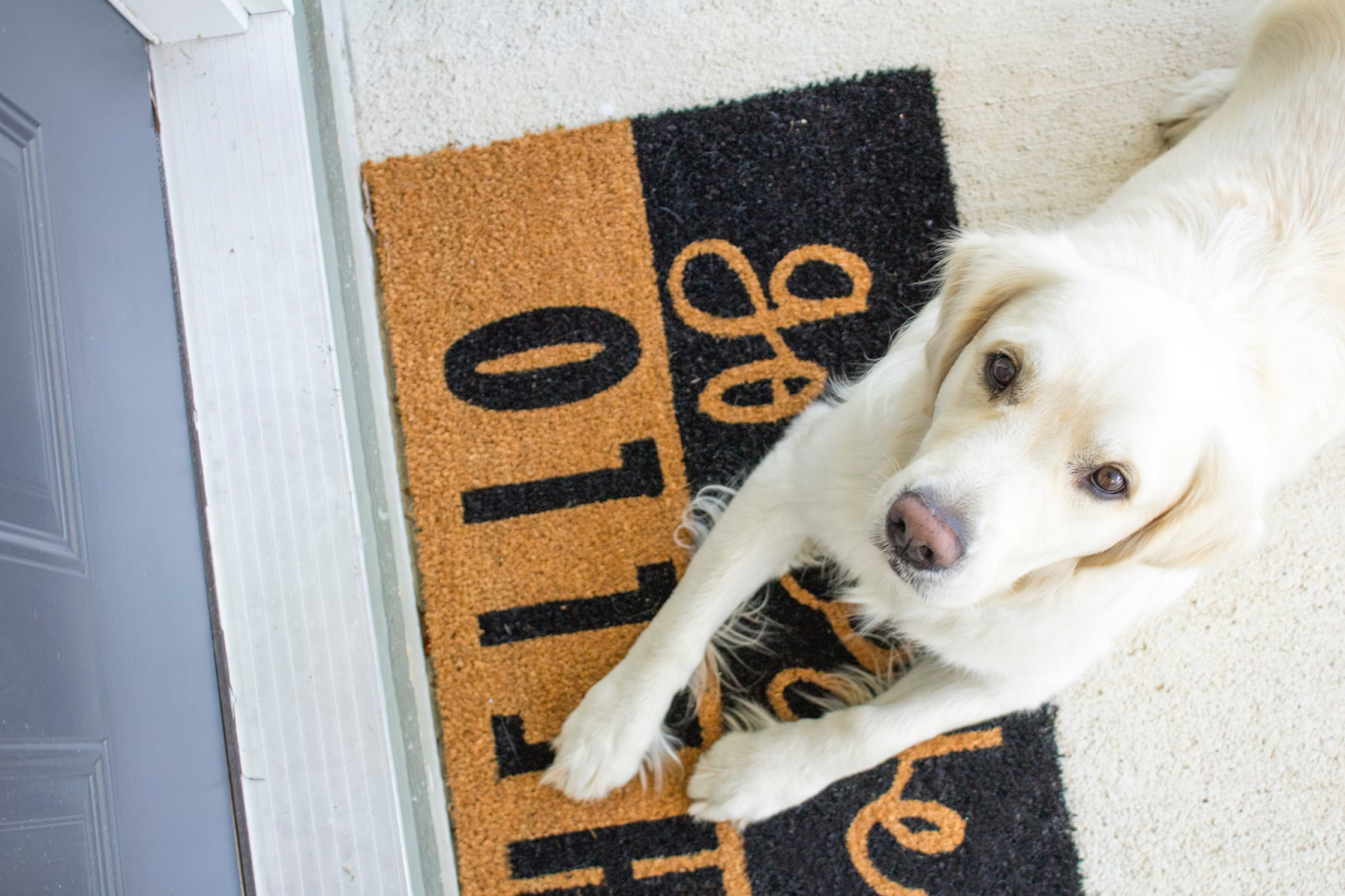
"Choosing a non-slip runner adds grip without sacrificing hygiene. It may sound obvious, but putting a washable mat near the door is super handy too. This helps catch any mud or dirt from your dog’s paws before they track it through the house. Then you can simply pop it in the washing machine as needed.”
“Regular vacuuming is key, no matter what type of flooring you have. Otherwise, pet hair and dirt can quickly build up, leading to odours. Opt for a vacuum with a HEPA filter (also known as a high-efficiency particulate air filter). It’s great for getting rid of pet dander and keeping your hallway as clean as possible.”
5. Use Store Cupboard Essentials to Eliminate Odours
Baking soda and pet-safe essential oils work wonders on carpets and rugs. Georgina said,
“A good trick for eliminating that ‘dog’ smell from hallway carpets is to sprinkle a mixture of baking soda and a few drops of essential oils onto your carpet. Let this sit for a good few hours so it can absorb any odours before vacuuming. Just make sure any oils you use are pet safe!”
6. Keep an Essentials Basket by the Front Door
Another simple but effective piece of advice, involves storing essentials near the front door. Georgina said,
(Photo by Courtney Cook on Unsplash)
“Drying your dog off as soon as they come in can prevent wet dog smells and muddy paw prints throughout your home. I would recommend keeping a small basket near the entrance stocked with a spare towel and other essentials, like paw wipes or a brush. That way, everything is within reach when you need it, but neatly stored so your hallway doesn’t feel cluttered.”
7. Prevent Scuffs, Scratches and Marks on Walls
Hallways often have high footfall as residents move about the house, making scuffs and scratches common. This is especially true for homes with small children or pets. To help prevent and touch up any marks, Lucie recommends,
“Use a durable finish to protect wood surfaces, including the. staircase, flooring and skirting boards. Minor scratches and scuffs can be buffed out and repainted easily and there are toxic free paints and finishes available like the popular Treatex range.”
Georgina adds,
“Consider using washable paint for your walls. Dogs often shake off water as soon as they step inside, and being able to wipe the walls down easily can make a huge difference in keeping your hallway looking fresh.”
8. Place Candles, Fresheners and Diffusers Above Floor Level
Chemical scent diffusers or candles can be highly toxic to some dogs, causing skin and breathing irritations. If you are going to use them, they shouldn’t be placed at floor level or in areas where the dog sleeps.
Victoria suggests,
“Instead, place a pheromone diffuser near your dog’s resting area or in rooms where they spend the most time. These can be particularly beneficial for rescue dogs or those prone to anxiety.”
“A new environment can be overwhelming, and subtle methods of reducing stress can make a significant difference. Pheromone diffusers, such as Pet Remedy or Adaptil, release calming signals that help dogs feel more secure, especially during transitions.”
Function & Practicality
9. Weigh Up the Pros & Cons of Open-Plan Living
While open-plan spaces look great, they can be overstimulating for dogs, leading to hyper-vigilance or excessive barking. Victoria said,
“For some, unlimited access to all areas of the home is overwhelming. Large windows, open entrances, and constant visual stimulation can lead to increased alertness and reactivity.”
She continues,
“Dogs exposed to repeated stressful environments without enough downtime can experience ‘trigger stacking’ - where stress accumulates over time, leading to heightened reactivity or even aggressive behaviour. Noisy households, frequent visitors, or unpredictable surroundings can contribute to this.”
To help reduce over-stimulation, Victoria suggests,
- Ensure dogs have structured rest periods throughout the day, away from busy areas. Using calming music can help with this.
- Covering large windows with frosted film or blinds can reduce external stimulation, particularly for dogs prone to barking or reacting to movement outside.
- A well-placed gate or room divider can stop a dog from reaching the front door before they are invited or allow them to observe when guests arrive.
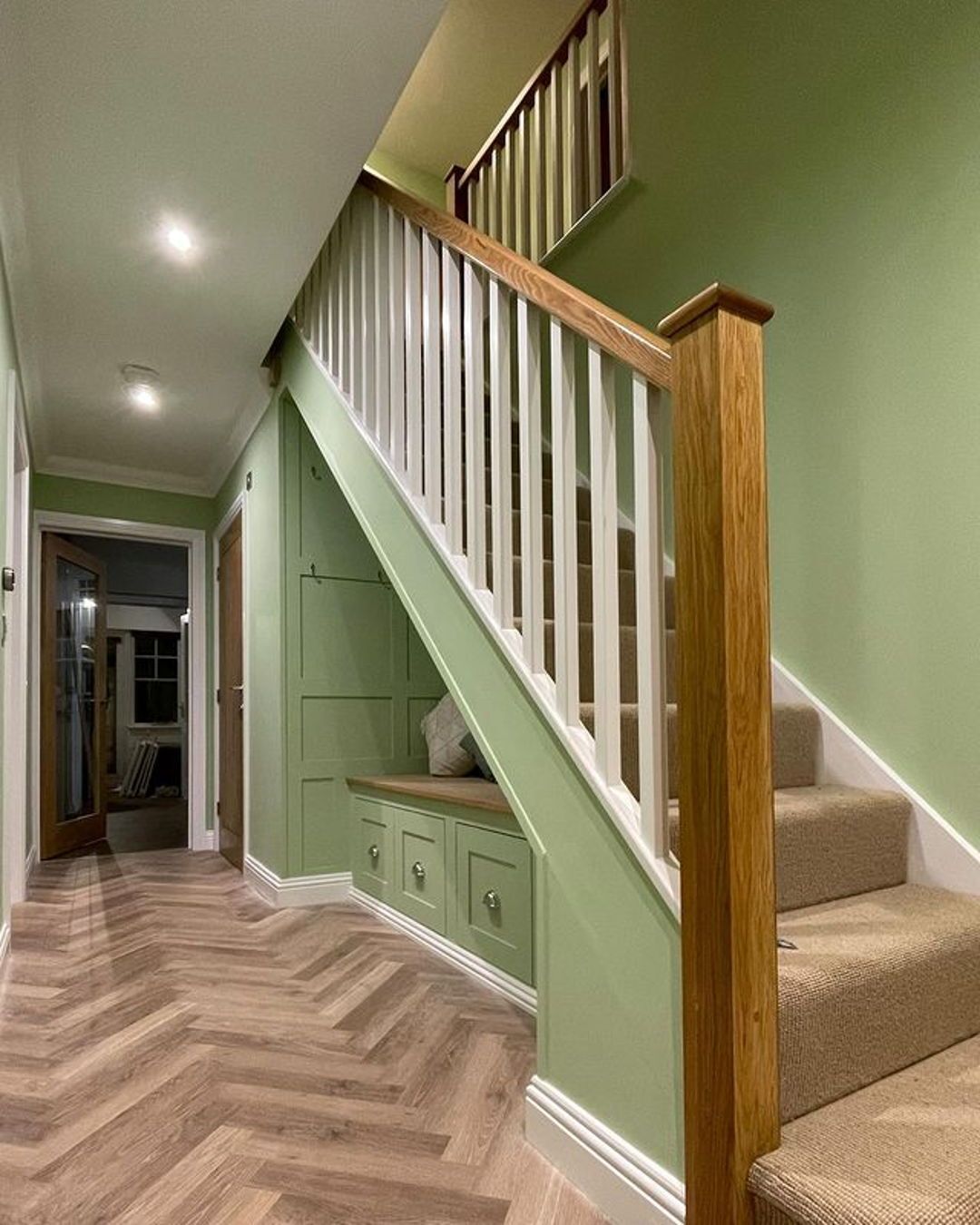
10. Smart Storage for Dog Essentials
Keep clutter at bay with built-in storage for leads, coats, towels, toys, and food.
Interior designer Catherine Wilman said,
“Designated dog cupboards are becoming a must-have, a neat storage space for everything from leads and coats to towels for muddy paws, toys, food, and travel essentials for overnight stays.
“For a seamless look, hide most items behind closed doors while displaying decorative pieces. There’s a wide range of clever joinery solutions, such as drawers and cupboards which can be tucked away under the stairs when not in use”
Trending Features:
- Elevated dog bowls set into a plinth for ergonomic feeding stations.
- Easy-clean stone surfaces like marble or Silestone are a stylish, practical touch.
- Pull-out feeding drawers that tuck away when not in use.
- Sensor lights, which automatically come on when the dog approaches for meals.
(Photo by Beauspoke Joinery)
11. Mudroom-Style Features for Cleaner Paws and Floors
Interior designer Catherine shares more unusual features which reduce mess and cleaning time,
“For homes with direct outdoor access, we’re integrating hidden wash stations. Depending on the size and layout of the home, these can be integrated into the hallway or to rooms coming off the space. This could be a small built-in sink or a discreet hose system tucked inside a cupboard - perfect for cleaning muddy paws.”
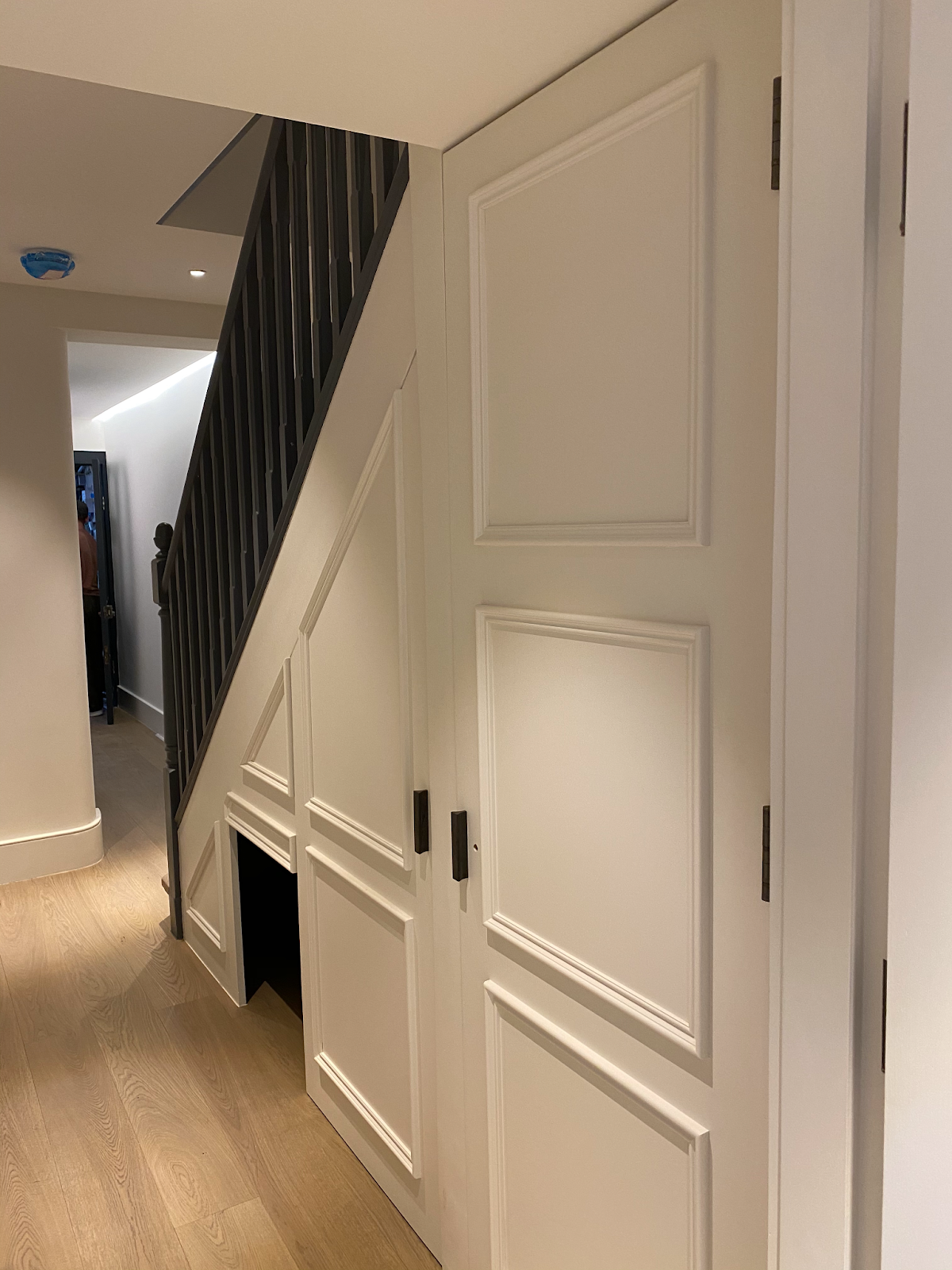
12. Cozy Dog Beds & Resting Areas
“Dog bed” is searched for on average 40,500 times per month in the UK (Google) and with many homeowners trying to maximise unused space, Interior designer Catherine has seen an increase in requests for bespoke solutions,
“One of our favourites is using the space under the stairs to create a dog den - a cosy, enclosed area that makes use of that awkward space under the stairs. With three walls surrounding them, it becomes their own little retreat while keeping the rest of the house clutter-free.”
Victoria explains that this may not necessarily suit all dogs, especially in lively homes,
“Dogs need a dedicated space where they can relax undisturbed. A resting area should be positioned away from busy walkways, entrances, and external triggers such as doorways and windows, to reduce unnecessary stress from outside activity.”
She recommends,
“Choose a quiet corner or a low-traffic area and provide a comfortable bed, crate, or covered den where the dog can retreat. If possible, position this area away from direct noise, such as televisions or busy family spaces. Dogs need around 8-12 hours of sleep per day!”
(Photo by Catherine Wilman Interiors)
Stylish Design and Decor
13. Choose Durable, Pet Safe Materials
Catherine comments,
“We’re definitely seeing a shift in how people design their homes. Dogs aren’t an afterthought, they’re part of the family, and our clients expect that their spaces should be both dog-friendly and stylish.”
Catherine recommends making smart material choices,
- Dog beds & upholstery: Opt for hard-wearing, easy-to-clean fabrics like Perennials performance fabric, which offers durability without compromising on design.
- Flooring: There are certain scratch-resistant, non-slip surfaces such as textured tiles, cork and engineered wood which can be considered as an alternative for high-gloss finishes that can be slippery for paws.
- Furniture finishes: Matte or satin finishes show fewer scratches than high-shine surfaces.
- Sturdy and secure furniture: Choose sturdy furniture, which has a secure base or wall-secured fittings to prevent tipping - ideal for energetic dogs who may bump into things.
14. Avoid Toxic Plants: A Hidden Danger at Dog Level
According to Victoria, “Many common houseplants are toxic to dogs, causing anything from a mild stomach upset to serious poisoning. Puppies are particularly interested in chewing on plants which can be dangerous, so make plant choices carefully.”
Victoria’s Simple Fixes:
- Avoid lilies, ivy, aloe vera, and certain ferns
- Choose pet-safe plants like spider plants, rosemary, and basil
- Place plants out of reach - use tall planters or floating shelves
15. Choosing the Right Colours
Lucie comments,
“Instead of white, light-coloured neutrals or pale tones, opt for mid-tone shades (like greys, taupes, or patterned rugs). This will prevent the room from looking worn, and disguise fur and dirt - minimising the need to clean quite so often. If you still want to go light and neutral though, choose pet-friendly materials that are hardwearing or wipeable.”
Designing a dog-friendly hallway shouldn’t mean you have to compromise on style. With a little planning, your hallway can become a welcoming, practical, and stylish space that meets the needs of every member of the household, four-legged ones included!
About Our Experts:
This guide was created with the support of our talented dog and home interior experts. Read more about their expertise below.
Catherine Wilman, Interior Designer at Catherine Wilman Interiors:
Catherine Wilman is a British interior designer known for creating luxurious yet functional homes. In 2006, she founded Catherine Wilman Interiors in Notting Hill, specialising in architectural interior design and creating homes of distinction for an international clientele.
Catherine has a BA (Hons) in Interior Design and Architecture in London, has contributed to top UK design magazines and has seen numerous nominations for industry awards.

Victoria Cooper, certified dog behaviourist at Victoria-Cooper.co.uk:
Victoria, an accredited canine behaviourist, has worked with dogs for over 30 years. In 1996, she founded People and Dogs, an award-winning training business that has helped thousands of dogs and their families and now runs Victoria Cooper Behaviourist.
Victoria specialises in addressing aggression, trauma, and reactivity using science-led and ethical methods. Passionate about dog welfare, she takes a holistic and personalised approach to strengthening the bond between dogs and their owners.

Lucie Levesley, director at Jackson Woodturners:
Lucie joined the family business having previously spent time working within the retail space developing expertise in design, marketing and buying. Lucie’s role involves buying and sourcing new products. She also ensures that Jackson Woodturners’ product ranges are up to date on the latest interior design and decor trends.

Adam Taylor, Owner and Joiner at Crafted Gates UK:
Adam is the co-founder of Crafted Gates UK, a Derbyshire-based, family-run business which specialises in handmade stair gates. He has over 13 years of experience in joinery, crafting bespoke products for clients. As a family man with two dogs in the house, Adam’s own hallway need for a non-standard stair gate became the inspiration for his growing business, which now supplies increasing market demand across aross the UK.