
Iron Black & White Primed Tube Spindle 900mm

SKU:
BLKRDWP900
In stock
:
:
Use Our Spindle Spacing Calculator
mm
You would need to order a total of Spindles.
Going of Flight/Landing
Horizontal distance between the face of the first riser and back of the last riser. See the diagrams below.
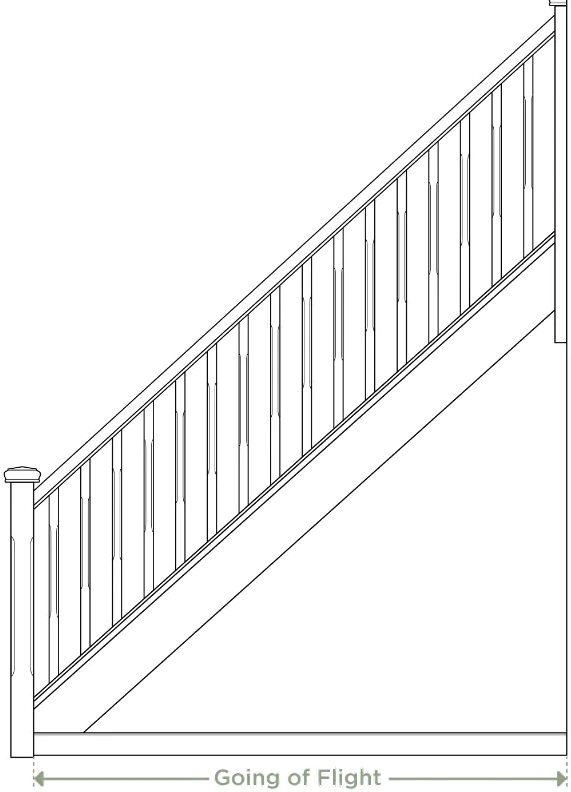
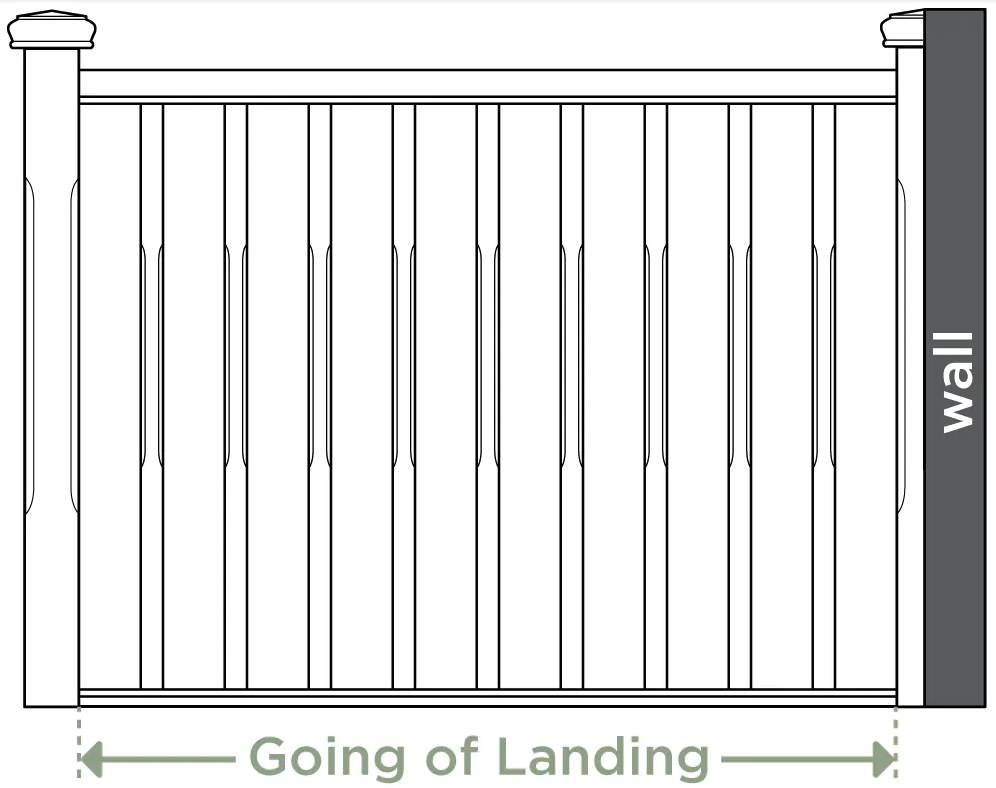
Description
Key information
-
Spindle size: 875mm x 14mm
-
Part of the Iron - Contemporary Metal range of stair parts.
-
Top and bottom section length: 350mm
-
White primed section length: 200mm
-
Cylindrical shape spindle.
Description
As part of the Iron - Contemporary Metal range, this Iron Black and White Primed Tube Spindle combines traditional stair part materials, like wood and black-coated steel, and blends them with modern design influences.
The metal top and bottom sections are 350mm in length, and the central white primed section is 200mm in length. These spindles are designed to be used with pre-drilled hand and base rails, or matt black metal feet, and we’d recommend using a solvent-based topcoat on the white section if you plan to repaint it.
Specifications
| Part Type | Spindles |
|---|---|
| Material | White Primed & Black Metal |
| Range | Iron - Round |
FAQs
How many Iron Black & White Primed Tube Spindles will I need for my staircase?
As with any spindle option you choose, the number of Iron Black & White Primed Tube Spindles you’ll need will depend on the measurements of your staircase and your desired spacing. It is important to remember, however, that UK building regulations require the gap between spindles to be no larger than 99mm to ensure the safety of small children.
Once you’ve taken your measurements and have decided which spindles you’d like to use, why not try our helpful spindle spacing calculator?
What are Iron Black & White Primed Tube Spindles made of?
All of the matt black fixtures available here at Jackson Woodturners are made from mild steel and are then finished with a black powder coating. Not only does this provide a stylish appearance, but it also provides extra durability.
How do Iron Black & White Primed Tube Spindles compare to other materials?
Metal spindles like these, and any other parts made of the same material, are an excellent low-maintenance material option. They can be simply wiped down to keep them looking fresh, rather than needing to be revarnished or repainted.
They are, however, more prone to scratches and chips than wooden equivalents, which makes it important to consider your environment and preferred level of maintenance when choosing a material.