
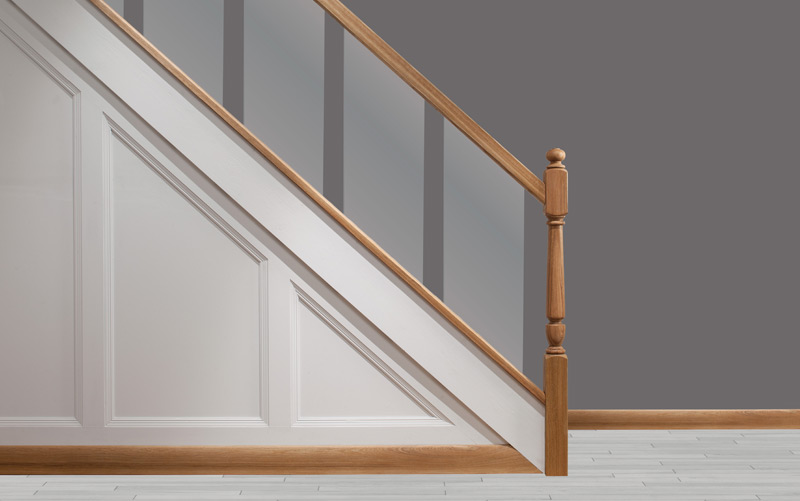
A less traditional option than wood and metal, the addition of glass can provide a home with a modern theme. When applied to a balustrade, glass can provide safety as well as brightening up darker areas. This piece will cover the following:
What is a glass balustrade?
A traditional balustrade commonly consists of a handrail, spindles, base rail and newel posts. Glass balustrades feature glass panels to provide the vertical infill between the base rail and handrail, providing an alternative to spindles. This allows light to circulate freely and opens up the space.
The glass balustrade has become extremely popular over the recent years, particularly in modern architecture and elegant interior design. The modern design of a glass balustrade can add an aesthetic element to any home.
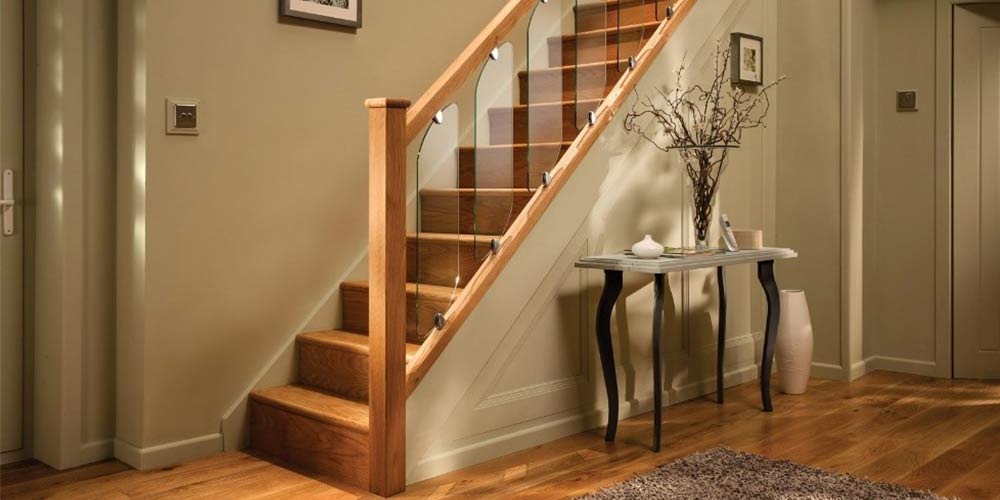
Glass balustrade from the Clarity range
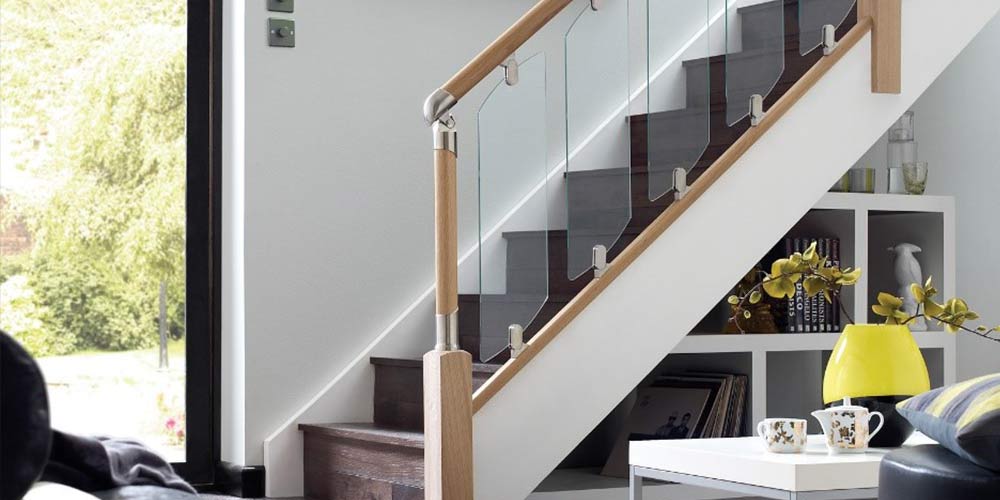
What are the different parts of a glass balustrade?
Whilst glass balustrades often still feature traditional newel posts and newel caps, they feature the following components as opposed to spindles.
Glass panels
Glass panels are designed from toughened glass, which is typically 8mm to 10mm thick. The toughening of glass involves subjecting it to high heat, around 700 degrees Celsius. This process is known as quenching. Toughened glass is often also referred to as tempered glass.
The process of quenching creates a strong layer on both sides of the glass, locking in tensions in the core of the glass. As a result of this, glass becomes four times as strong, providing maximum reliability.
Toughened glass balustrade panels are available in a variety of different sizes and shapes, depending on the style you are wanting to achieve. If you are using a glass grooved handrail and base rail in your balustrade, it is vital to check that your toughened glass panels are of the correct thickness to use alongside them.
Jacksons' Glass Rake Panels
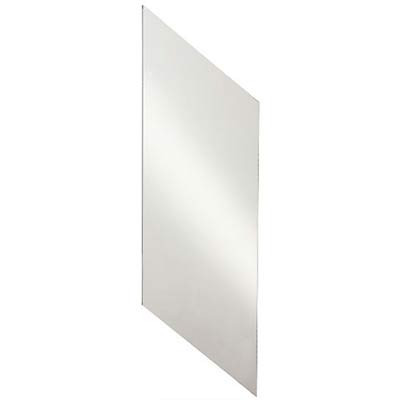
Reflections rake glass panel
This glass panel works well alongside the oak base rails and handrails in the Reflections range.
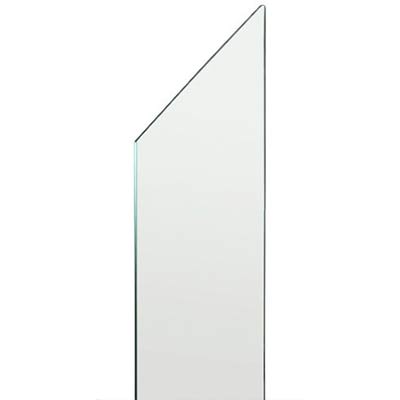
Immix rake glass panel
The Immix rake glass panel goes particularly well alongside the oak handrails and base rails in the Immix range.
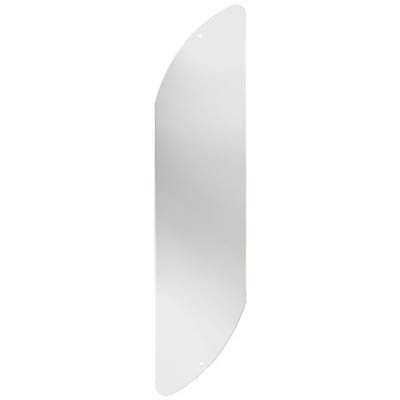
Clarity rake glass panel
The Immix rake glass panel goes particularly well alongside the oak handrails and base rails in the Immix range.
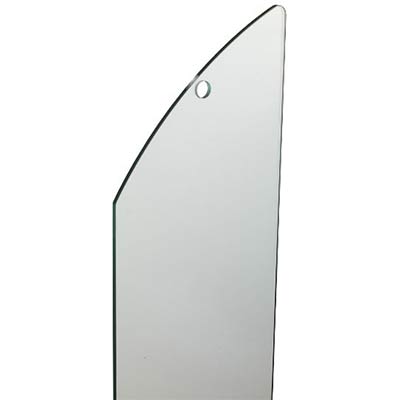
Fusion glass stair panel
This stair panel can be fastened to the handrail and base rail using the glass brackets in the Fusion range.
You can shop our full selection of glass stair panels here.
Jacksons' glass landing panels
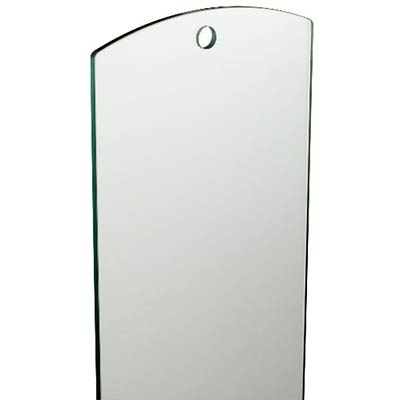
Fusion glass landing panel
This panel is designed to go on the landing and can be fastened to the hand and base rail using the glass brackets in the Fusion range.
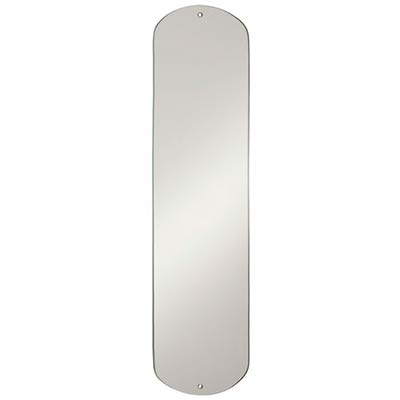
Clarity landing glass panel
This panel can be fastened to the hand and base rail with the glass fixing brackets in the Clarity range.
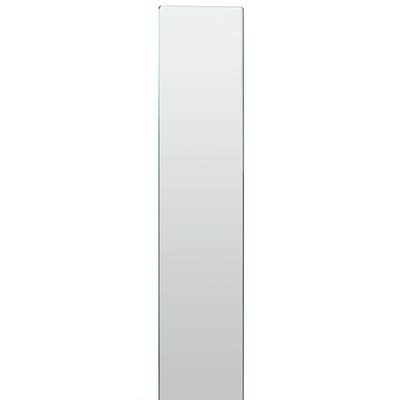
Immix landing glass panel
This panel can be fastened to the hand and base rail with the glass fixing brackets in the Immix range.
Handrails
Glass balustrades can feature either of the following types of handrails:
Ungrooved handrail
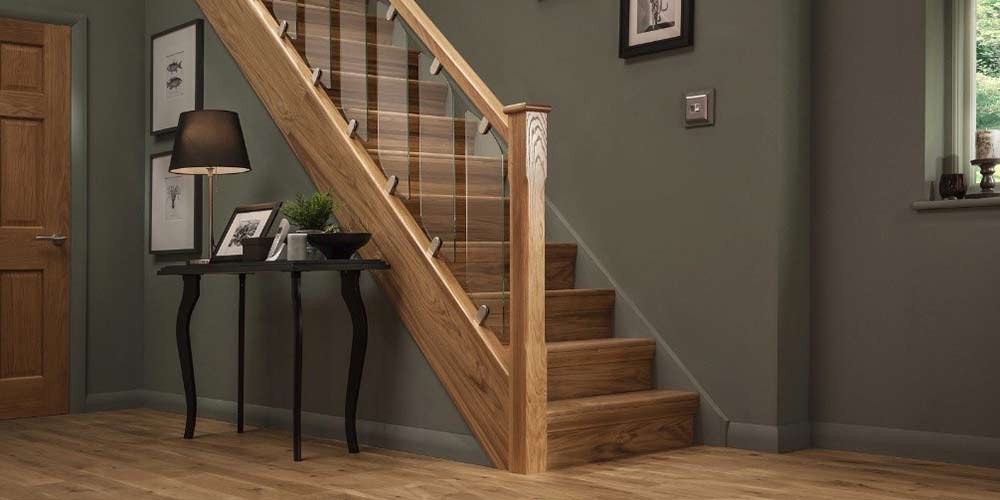
On a glass balustrade, ungrooved handrails are designed to be used alongside glass clamps. The glass clamps hold the glass panels in place.
This glass balustrade from the Elements with glass range from Richard Burbidge features ungrooved handrails with glass clamps.
You can shop our full range of ungrooved handrails here.
This glass balustrade from the Immix range features glass panels with glass grooved handrails.
Glass clamps
Glass clamps are typically designed for 8mm to 10mm glass. Our high-quality glass clamps are designed from either brushed nickel or chrome. This glass balustrade fixings option is an alternative to using glass grooved handrails with glass panels.
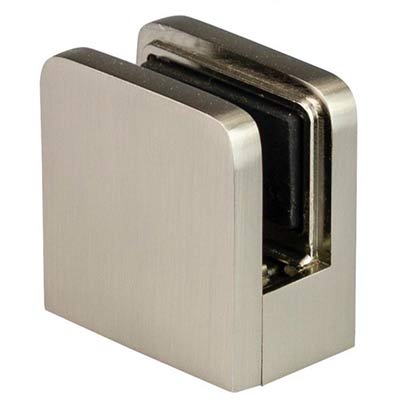
Square nickel clamp for 8mm glass.
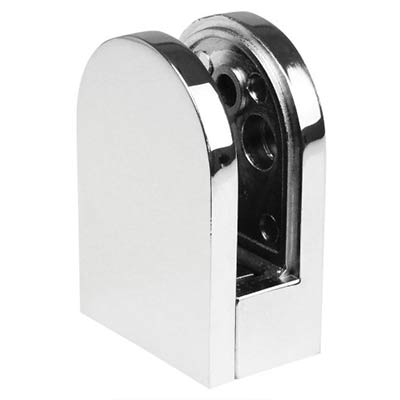
Chrome glass clamp for 10mm glass.
What are the benefits of a glass balustrade?
A glass balustrade provides the following the benefits:
- The addition of glass can create the illusion of more space
- Toughened glass is safe and secure
- A glass staircase is easy to keep clean
- Glass perfectly complements wooden stair parts
- Glass creates a modern, stylish design and is particularly ideal for modern interiors
How thick should glass for a balustrade be?
Glass panels are normally between 8mm to 10mm thick, ensuring it is strong enough to provide an effective safety system. The thickness of the glass you use should also depend on the clamp or glass grooved rails you are using, as they will specify the glass thickness required.
What are the alternatives to a glass balustrade?
Alternatives to a glass balustrade include a traditional balustrade with classic elements such as wooden spindles and newel posts. Metal balustrades are another design option, which provide a stylish contrast of metal spindles and various shades of wood.
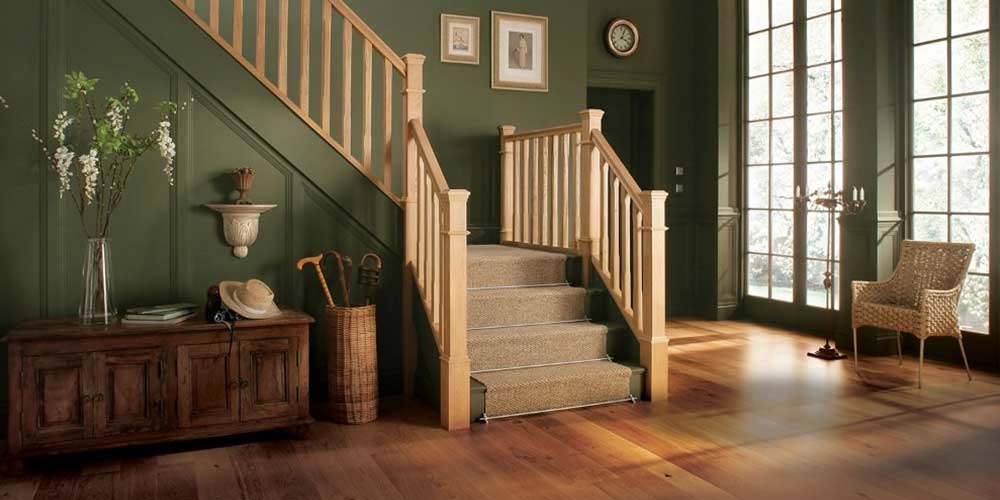
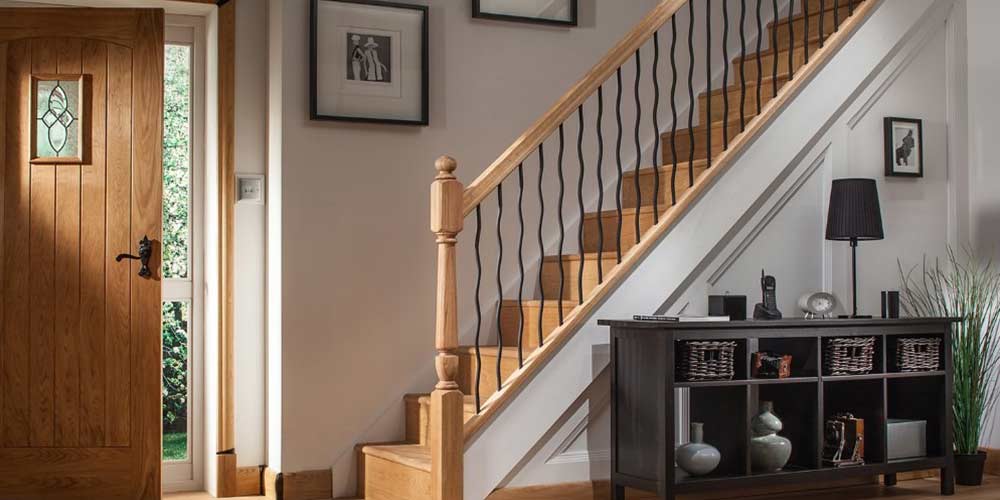
To find out more about the different balustrades, you can read more in Your guide to balustrades.
A glass balustrade is a less traditional option than one made from wood or metal spindles. However, the addition of glass can make a huge difference to the look and feel of your home. Glass balustrades help to maximise light creating a bright and airy space that’s guaranteed to look stunning. So, what is a glass balustrade?
A glass balustrade consists of toughened glass panels. Originally designed as a safety feature, glass balustrades are now a popular aesthetic choice in many modern homes. Glass balustrades are surprisingly versatile and can be combined with wood or metal handrails to match almost any interior design scheme.
Read on to learn everything you need to know about glass balustrades. This guide will cover the following:
- What is a glass balustrade?
- What type of glass is used for a glass balustrade?
- How thick should glass balustrades be?
- What are the different parts of a glass balustrade?
- What are the benefits of a glass balustrade?
- What are the alternatives to a glass balustrade?
- How do you clean a glass balustrade?
What is a glass balustrade?
A traditional balustrade commonly consists of a handrail, spindles, base rail and newel posts. Glass balustrades feature glass panels to provide the vertical infill between the base rail and handrail, providing an alternative to spindles. This allows light to circulate freely and opens up the space.
The glass balustrade has become extremely popular over recent years, particularly in modern architecture and elegant interior design. The modern design of a glass balustrade can add an aesthetic element to any home.
What type of glass is used for a glass balustrade?
Glass balustrades are made from safety glass, which is typically toughened glass. The toughening of glass involves subjecting it to high heat, around 700°C. This process is known as quenching. Toughened glass is often also referred to as tempered glass.
The process of quenching creates a strong layer on both sides of the glass, locking in tensions in the core of the glass. As a result of this, glass becomes four times as strong, providing maximum durability and reliability.
How thick should glass balustrades be?
Glass panels are normally between 8mm to 10mm thick, ensuring it is strong enough to provide an effective safety system. The thickness of the glass you use should also depend on the clamp or glass grooved rails you are using, as they will specify the glass thickness required. For example, our Oak Forge Glass Grooved Handrail is designed for 8mm glass panels.
What are the different parts of a glass balustrade?
Glass balustrades often feature traditional newel posts and newel caps, but they feature the following components instead of metal or wooden spindles.
Glass panels
Glass panels are designed from toughened glass, which is typically 8mm to 10mm thick.
Toughened glass balustrade panels are available in a variety of different sizes and shapes, depending on the style you want to achieve. If you are using a glass grooved handrail and base rail in your balustrade, it is vital to check that your toughened glass panels are of the correct thickness to use alongside them.
Jackson's glass rake panels
The Immix rake glass panel goes particularly well alongside the oak handrails and base rails in the Immix range.
The Immix rake glass panel goes particularly well alongside the oak handrails and base rails in the Immix range.
This stair panel can be fastened to the handrail and base rail using the glass brackets in the Fusion range.
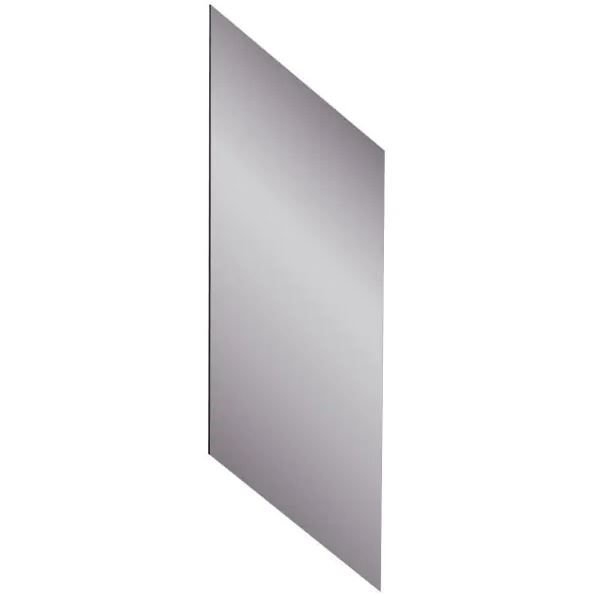
This grey rake glass panel can be installed either in a pre-grooved handrail and base rail or with handrail brackets.

Frosted rake glass stair panel
This frosted rake glass panel is the perfect choice if you want privacy without completely blocking the light.
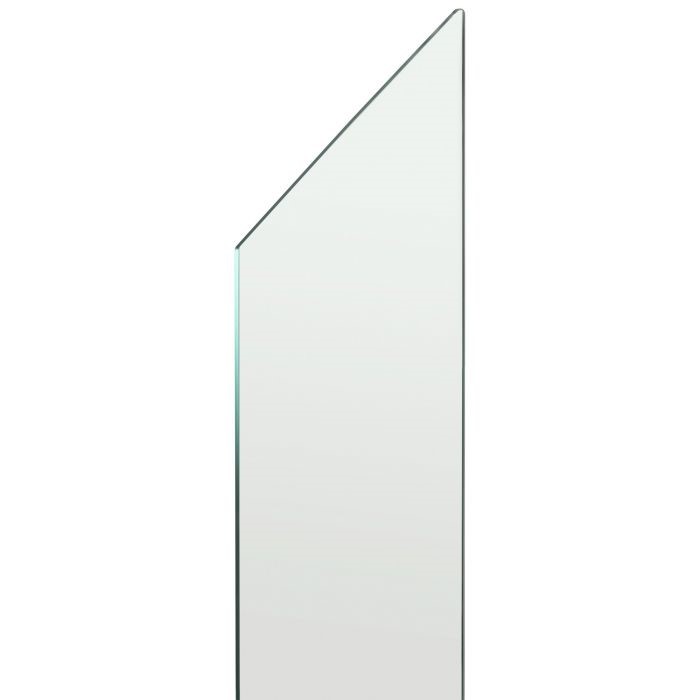
This rake glass stair panel is part of our range of contemporary glass stair parts and is easy to install.
This panel is designed to go on the landing and can be fastened to the hand and base rail using the glass brackets in the Fusion range.
This panel can be fastened to the hand and base rail with the glass fixing brackets in the Clarity range.
This panel can be fastened to the hand and base rail with the glass fixing brackets in the Immix range.
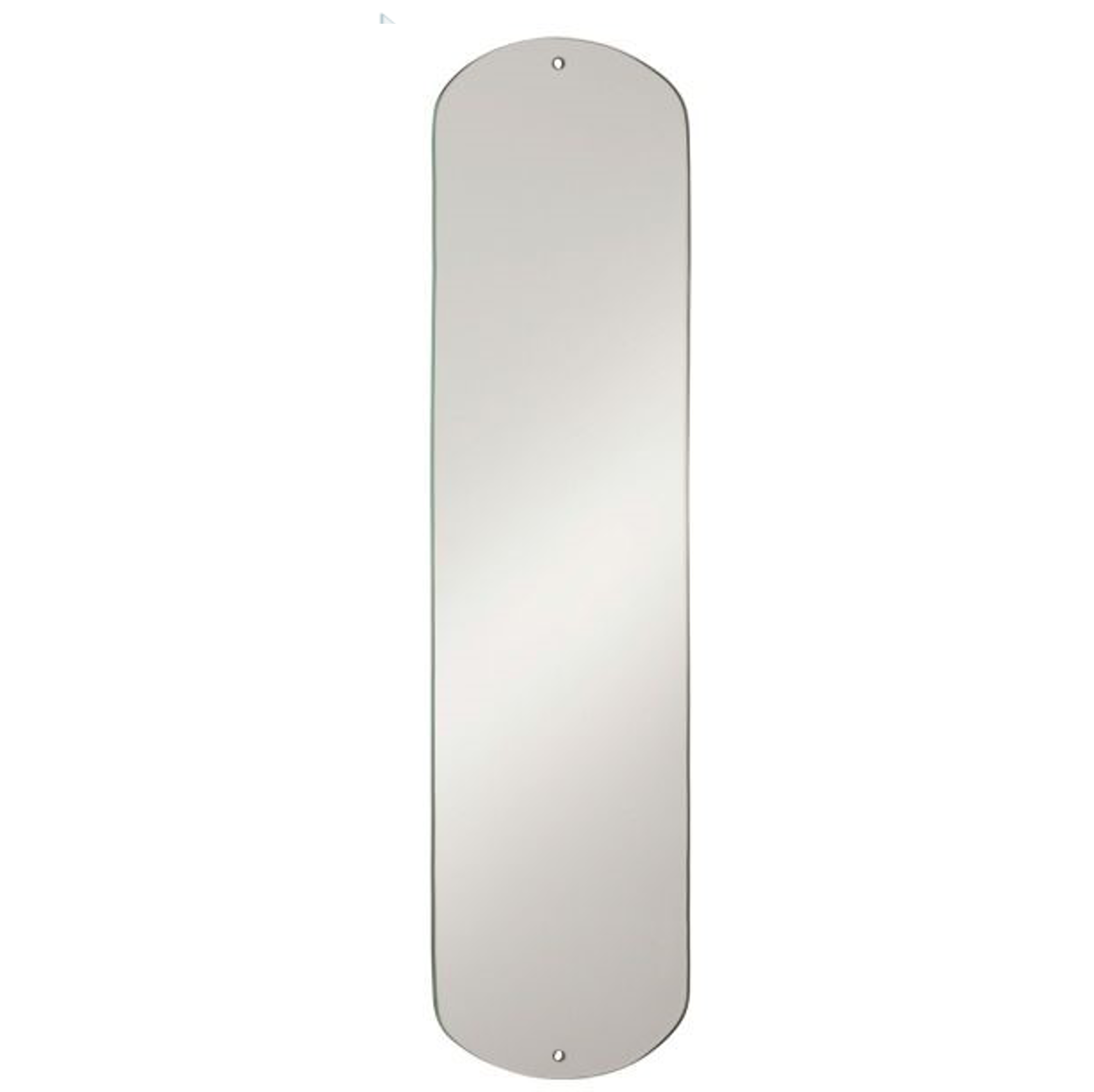
This landing glass panel is guaranteed to add a touch of elegance to any staircase.
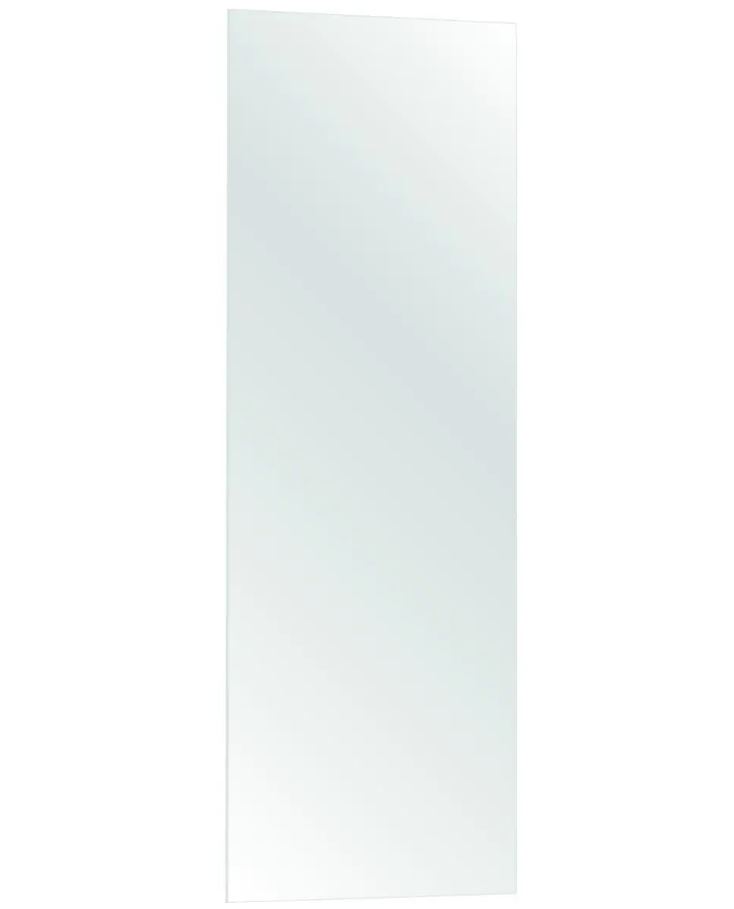
This frosted landing panel is a great choice if you want to maximise light whilst keeping a sense of privacy.
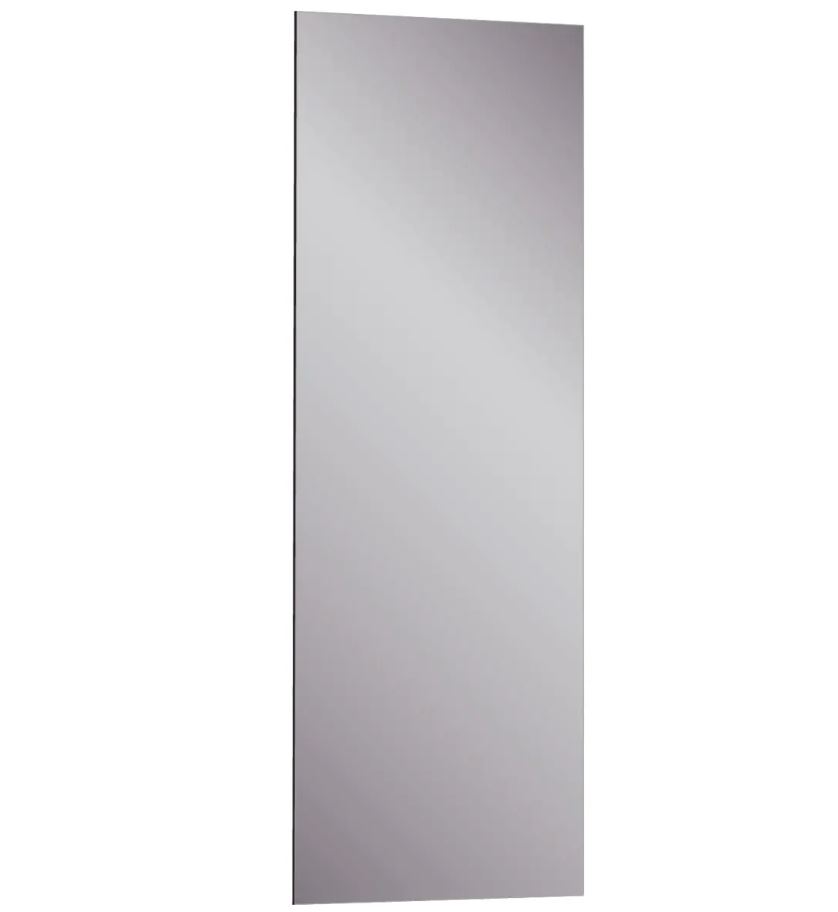
This grey landing glass panel is easy to install and is part of our stunning range of contemporary glass stair parts.
What are the benefits of a glass balustrade?
A glass balustrade provides the following benefits:
1. Creates the illusion of more space
The addition of glass panels opposed to more traditional metal or wooden spindles creates the illusion of more space. Glass maximises the amount of natural light creating a bright and welcoming entryway to your home.
2. Toughened glass is safe and secure
Glass panels are constructed from durable toughened glass meaning they won’t collapse or give way under pressure. Toughened glass will continue to maintain its durability and strength as years go by, so glass balustrades are an investment that will look beautiful in your home for decades to come.
3. A glass staircase is easy to keep clean
Glass balustrades not only look stunning, but they are incredibly easy to clean and maintain. They’ll stay looking stunning with minimal intervention, making them an ideal choice for busy family homes. All they require is occasional cleaning with some glass cleaner and a lint-free cloth.
4. Glass perfectly complements wooden stair parts
Whether you’re keen on oak, pine or walnut, glass panels are guaranteed to look gorgeous paired with wooden stair parts. Glass adds a contemporary touch to more traditional wooden handrails creating a blanched interior design scheme.
5. Glass creates a modern, stylish design
A glass balustrade is particularly ideal for modern interiors. Adding glass panels to your staircase will create a light, airy and open feel that’s guaranteed to welcome guests to your contemporary space.
For more information on designing a stunning and modern glass staircase, check out our blog, ‘Your options for designing a modern glass staircase’.
What are the alternatives to a glass balustrade?
Alternatives to a glass balustrade include a traditional balustrade with classic elements such as wooden spindles and newel posts. Metal balustrades are another design option, which provide a stylish contrast of metal spindles and various shades of wood.
To find out more about the different balustrades, you can read more in ‘Your guide to balustrades’.
You can shop our full range of stair parts here.
How to clean a glass balustrade
Glass balustrades are easy to keep clean. One way to clean your glass panels is with glass cleaner and a lint-free cloth. Use a high-quality glass cleaner designed specifically for glass surfaces and avoid abrasive chemicals. Here’s how:
- Spray the cleaner directly onto the glass panels, starting at the top and working your way down.
- Use a soft, lint-free cloth to wipe the glass using a circular motion. Focus on areas with smudges or fingerprints and apply pressure to remove stubborn marks.
- Use a dry portion of the cloth or a fresh clean cloth to polish the glass panels and remove any remaining streaks of glass cleaner.
Alternatively, if you don’t want to bother with specific cleaning products you can use warm water, soap and a soft cloth to clean your glass balustrade. Here’s the process you’ll need to follow:
- Mix warm water with a small amount of washing-up liquid in a bucket.
- Dip a soft cloth into the soapy water and begin wiping the glass, starting at the top and working your way down.
- Pay attention to areas with dirt, smudges or fingerprints. Use circular motions to remove any stubborn marks.
- Rinse the cloth with clean water and wring out any excess water.
- Use a clean damp cloth to wipe away any soap residue.
- Wipe the glass clean with a soft lint-free cloth or kitchen roll. Use the cloth to gently polish the glass to avoid streaks.
- How often do you need to clean glass balustrades?
- When it comes to cleaning glass balustrades, it’s better to clean regularly rather than do a deep clean once a year. Try not to allow dirt and smudges to build up which can ruin the contemporary appearance of your glass panels. Instead, aim to clean your glass panels every few weeks to keep them looking their best. A quick wipe-down with glass cleaner or warm soapy water is generally all that’s required.
If you’d like information on caring for glass stair parts, have a look at our guide, ‘Expert tips for buying and caring for glass stair parts’.
Glass balustrades by Jackson Woodturners
Jackson Woodturners offers the largest selection of contemporary and traditional stair parts in the UK. We stock a comprehensive range of high-quality glass stair parts, including glass panels, glass grooved handrails, ungrooved handrails and glass clamps. If you’re looking for a stunning glass balustrade to add the perfect finish touch to a modern home, our team is here to help!
You can explore our full range of glass stair parts on our website. Or, if you need any advice on choosing the right glass panels for your staircase, our friendly team will be happy to offer advice and recommendations. You can call our staircase experts on 0114 272 1228 or email [email protected]
Glass balustrade FAQs
Are glass balustrades expensive?
Many people believe that glass balustrades are more expensive than more traditional options like wooden or metal spindles. However, this isn’t necessarily the case. Glass panels can actually be a more cost-effective option compared to spindles made from expensive wood, such as walnut, or highly decorative metal spindles. The thickness of the glass panels will also affect the overall price.
At Jackson Woodturners, we offer a range of cost-effective glass panels that are perfect for renovating your staircase, regardless of your budget.
Are glass balustrades safe?
A common misconception is that glass balustrades are less safe than other types of balustrades, but this isn’t true. When they are made from toughened glass and installed correctly, glass balustrades are just as safe if not safer as other balustrade materials.
Toughened glass has been heated to 700°C and then quickly cooled, making it four times stronger than regular glass. If it does break, it shatters into small pieces which are less dangerous than larger shards. This makes glass balustrades durable, secure and sturdy, making them an extremely safe choice for your home. Glass balustrades can actually be safer than traditional spindles in homes with children, as the glass panels are much harder for children to climb and there are no gaps that small children can squeeze through.
Are glass balustrades hard to keep clean?
Glass balustrades are generally low-maintenance and easy to keep clean, making them ideal for busy family homes. Sometimes fingerprints or smudges will be visible on the glass panels, but these are easily wiped away with glass cleaner or warm, soapy water.
Do I need a handrail on my glass balustrade?
Yes, a glass balustrade typically requires a handrail.
The only exception to this is if your glass balustrade is constructed of multiple toughened laminated glass panels. This is because the other panels will remain in place in the unlikely event that one breaks. Toughened laminated glass panels are different from standard toughened glass panels.
How wide should the gap between the glass panels be?
The gap between glass panels in a glass balustrade should be 10–20 mm. This allows for the glass to expand and contract and makes the installation process easier.
What height should a glass balustrade be?
According to building regulations, the minimum height for an indoor staircase glass balustrade is 900 mm. If the glass balustrade is located outside, it needs to be at least 1100mm in height.


