
"Pine" Frequently Asked Questions
The answer to this question depends on your preference for the appearance of woods and your budget. Softwoods can be easily painted which gives you the freedom to choose the finish. Softwoods can also be grown in a variety of locations, making it more affordable. Hardwoods on the other hand, tend to be more durable and less likely to dent and scratch but they are usually much more expensive.
Pine is a softwood resistant to shrinkage and swelling. It’s light, natural appearance means it goes particularly well with neutrals such as white and cream. Here are some of the main reasons why we love pine at Jackson Woodturners:
• Versatility - Pine is suitable for painting, staining and varnishing.
• Colour - Pine’s pale colour makes it perfect for hallways with neutral tones.
• Sustainable - Pine is actually one of the most sustainable woods available.
• Patina - Over time, pine can gain patina, a thin layer that forms on the surface of wooden furniture as a result of age and exposure. This can give it an aged look which many find desirable.
• Versatility - Pine is suitable for painting, staining and varnishing.
• Colour - Pine’s pale colour makes it perfect for hallways with neutral tones.
• Sustainable - Pine is actually one of the most sustainable woods available.
• Patina - Over time, pine can gain patina, a thin layer that forms on the surface of wooden furniture as a result of age and exposure. This can give it an aged look which many find desirable.
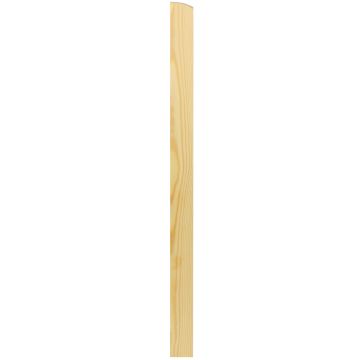
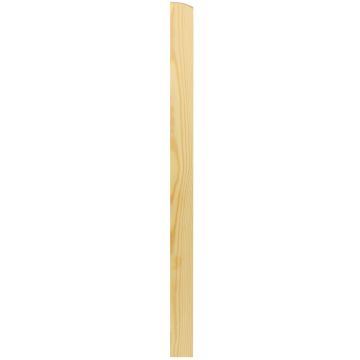
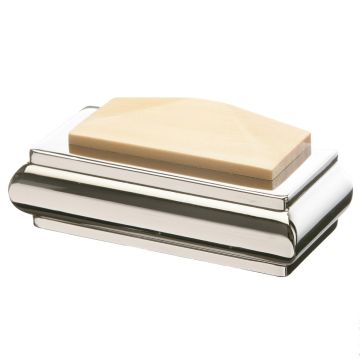
Here is a list of the different pine stair parts we offer:
•Spindles
•Base rails and handrails
•Newel posts and newel caps
•Newel posts
•Spindles
•Base rails and handrails
•Newel posts and newel caps
•Newel posts
Generally, softwoods, such as pine, tend to be cheaper than hardwoods such as oak and ash. This is, in part, due to softwood being much quicker to grow than hardwood, so the wood is more readily available. Below is a list of the various prices you’d expect to find for pine stair parts:
• Pine stair spindles £1 - £13
• Pine handrails £8 - £62
• Pine newel posts £7 - £46
• Pine base rails £4 - £34
• Pine stair spindles £1 - £13
• Pine handrails £8 - £62
• Pine newel posts £7 - £46
• Pine base rails £4 - £34
Here is a list of the different types of wood available and their qualities:
| Type of Wood | Qualities |
|---|---|
| Hemlock | Provides a classic feel and is perfect for traditional staircases. |
| Walnut | Heavy and strong, yet easily split and worked. Historically, walnut wood has been used for furniture, flooring and a variety of other wood products. |
| Dark Hardwood | Similar in appearance to mahogany and is a sustainable replacement for it. Creates a classic look that’s perfect for modern and traditional staircases. |
| White Primed Wood | The base wood used for the white primed parts is either birch or popular. Strong and durable, white primed woods can bring some light into your home. |
Pine handrails for stairs offer a unique, eye-catching style. Here are some of the main benefits of pine handrails:
• Flexibility - Pine is extremely flexible in style because it can be used in homes with both traditional and modern interior design. Its pale colour makes it particularly ideal for hallways with neutral tones.
• Less expensive - Pine handrails for stairs are a less expensive yet practical alternative to oak handrails.
• Sustainability - Pine handrails are the perfect choice for those who are environmentally conscious.
• Flexibility - Pine is extremely flexible in style because it can be used in homes with both traditional and modern interior design. Its pale colour makes it particularly ideal for hallways with neutral tones.
• Less expensive - Pine handrails for stairs are a less expensive yet practical alternative to oak handrails.
• Sustainability - Pine handrails are the perfect choice for those who are environmentally conscious.
While oak and pine are both exceptional options for your home, both come with different benefits. Oak is denser and stronger, which makes it more durable and less vulnerable to scratches and dents whereas pine is more lightweight and tends to be less expensive.
Whilst making your decision, it can help to weigh up the pros and cons of each wood and the designs available for each to examine exactly how they would be suited for your staircase.
Whilst making your decision, it can help to weigh up the pros and cons of each wood and the designs available for each to examine exactly how they would be suited for your staircase.
Pine is suitable for painting, staining and varnishing; however, you will need to use a knotting solution before painting. The best option for you depends on the type of finish you prefer and the look you are going for. If you want to change the colour of the pine, you have the options of staining or painting it.
At Jackson Woodturners, we recommend applying Treatex Hardwax Oil to pine handrails, as it is quick-drying and hardwearing. We also offer a pine wood filler if you want to fill in any imperfections.
At Jackson Woodturners, we recommend applying Treatex Hardwax Oil to pine handrails, as it is quick-drying and hardwearing. We also offer a pine wood filler if you want to fill in any imperfections.
Pine is cheaper than oak because pine trees grow more quickly and are more sustainable than oaks. Pine’s wood is also softer and not as durable as oak wood.